
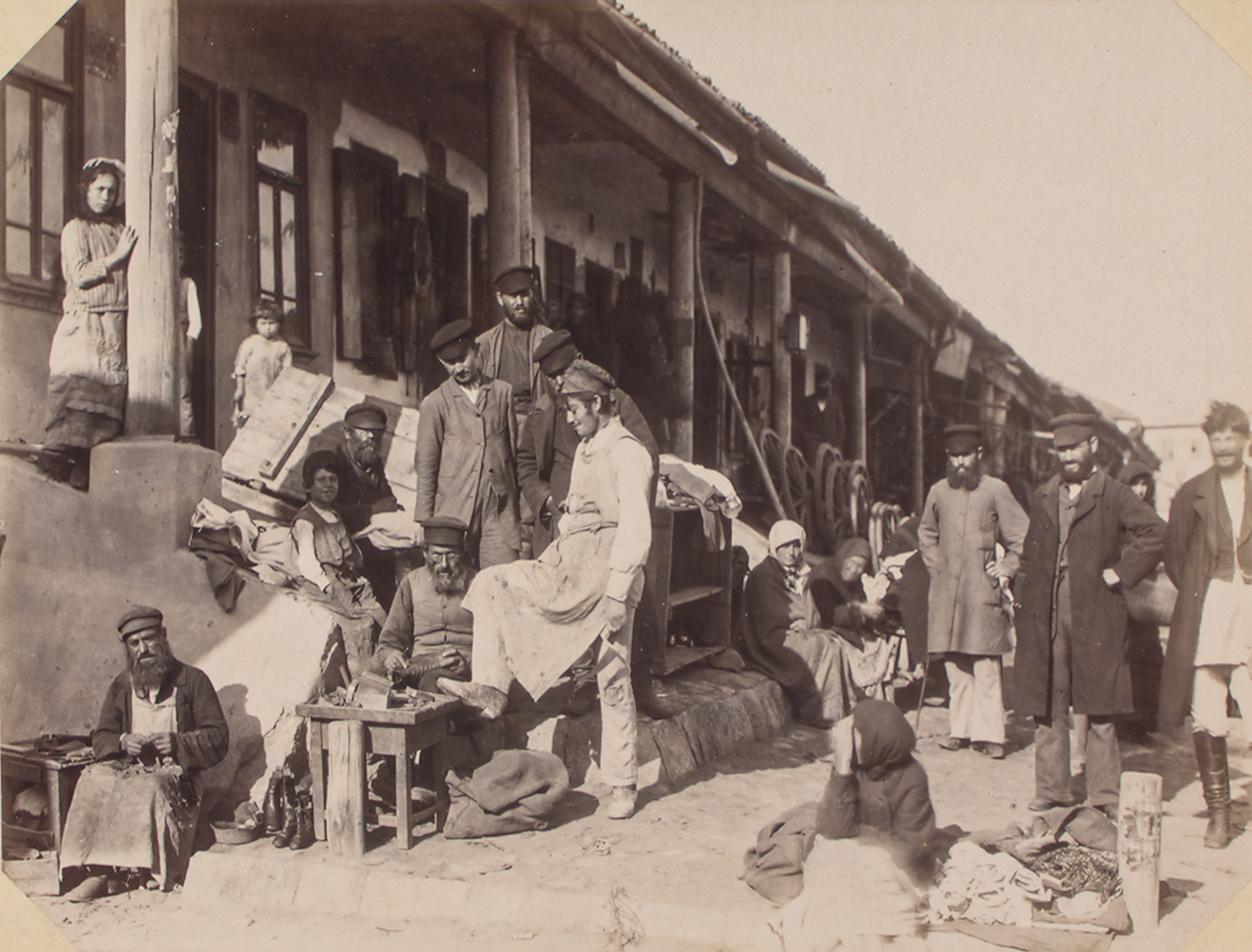
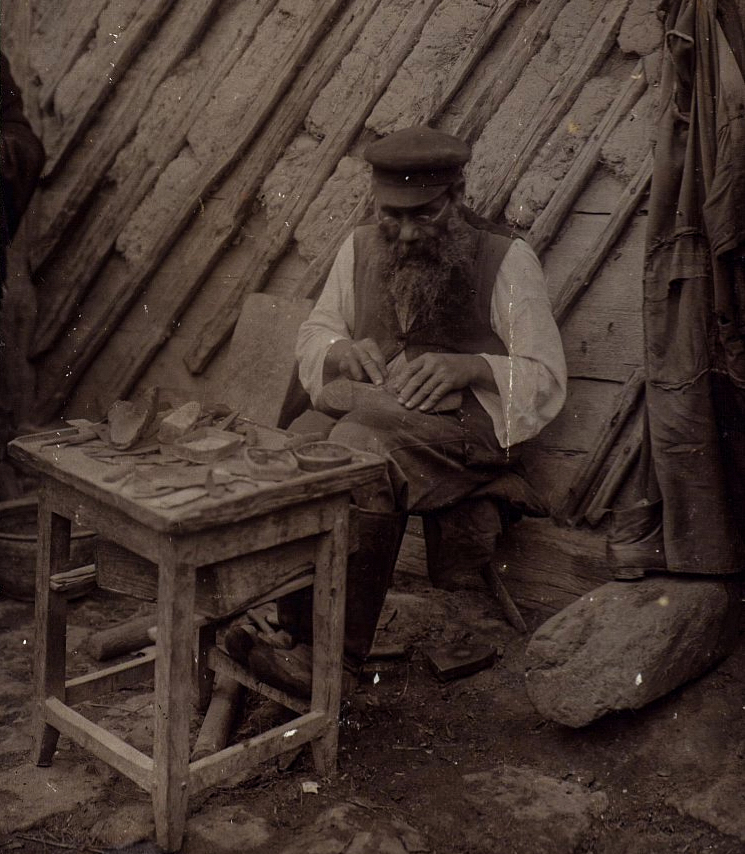
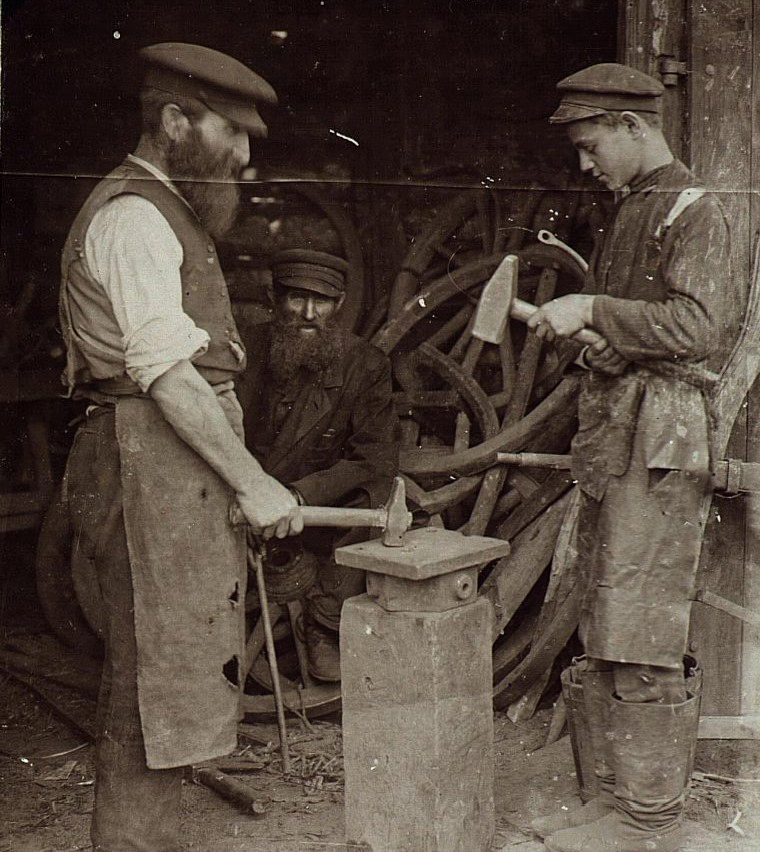
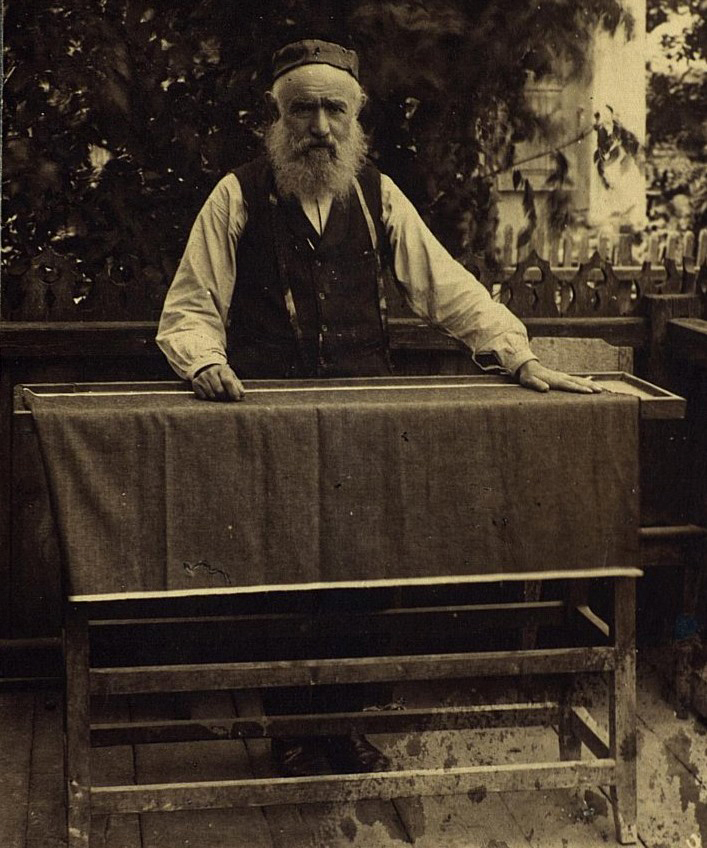
The Mykolaiv region developed as a space where different cultures and traditions met and interacted. Mykolaiv, founded as a naval base and the principal shipbuilding center of the Black Sea region, quickly became an important hub of crafts, trade, and intellectual life. Within this complex and dynamic environment, the Jewish community occupied a special place. It was not peripheral; on the contrary, it became one of the driving forces behind the economic and social development of the region, leaving a deep imprint on its history.
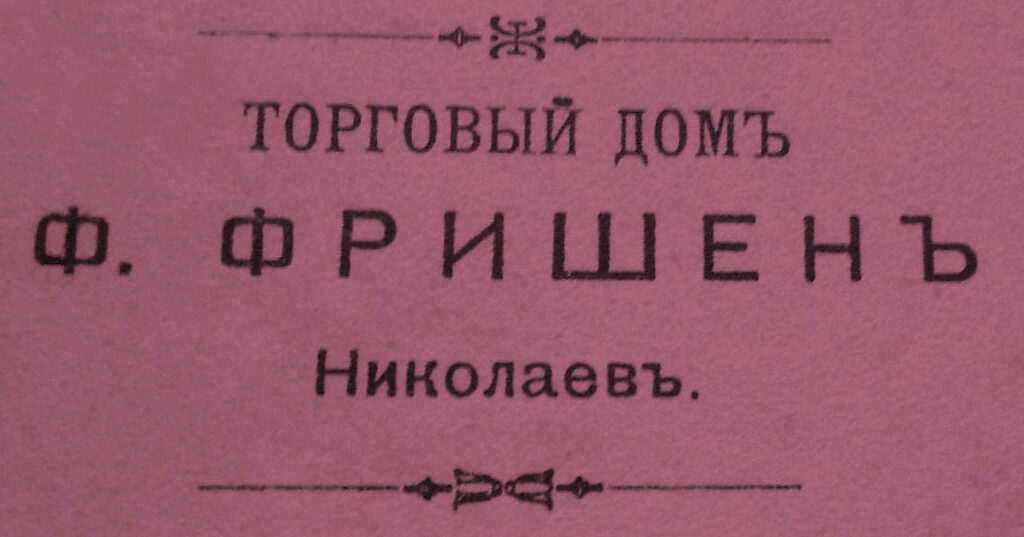
Jews were among the first inhabitants of the newly founded city. By 1792, of the 1,566 residents of Mykolaiv, 289 were Jews – 205 men and 84 women – amounting to 18.45% of the population. Most arrived from the towns of Right-Bank and Western Ukraine, often as skilled craftsmen, suppliers, and traders, sometimes bringing their own capital. The city, built as a center of shipbuilding and the Black Sea Fleet, required experienced people. Jewish entrepreneurs quickly secured important positions in subcontracted shipbuilding and supply.
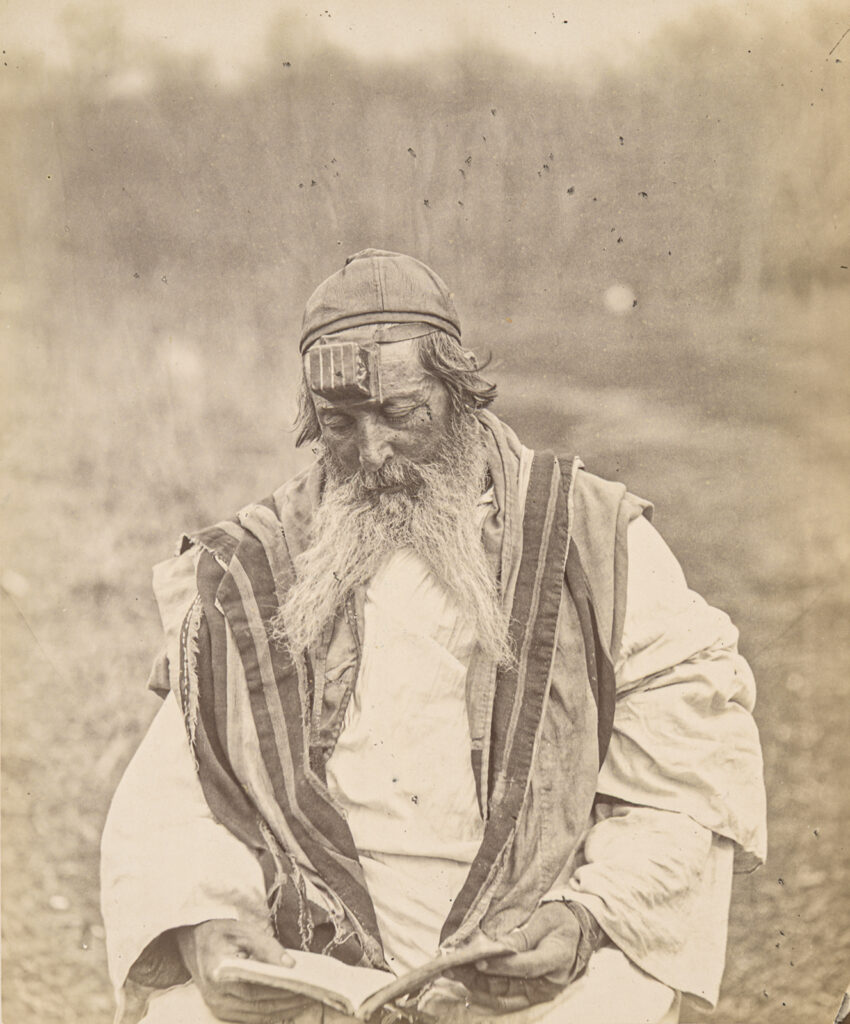
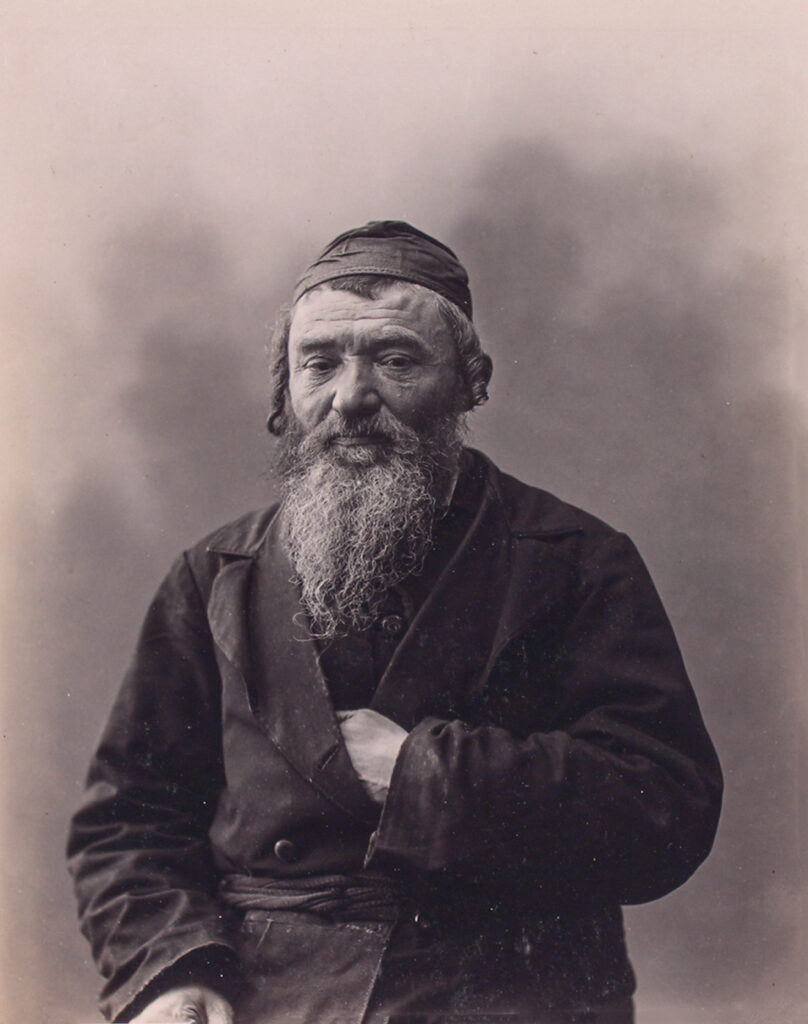
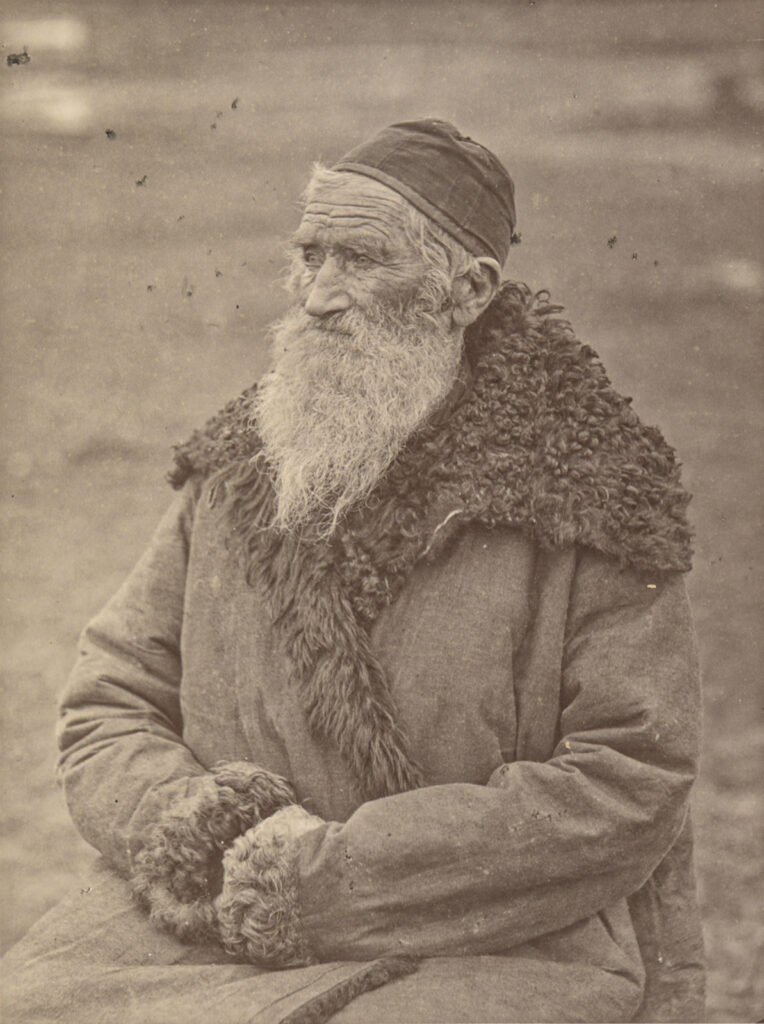
Between 1813 and 1830, 30 of the 52 suppliers to the fleet were Jews, representing 58%. From 1838 to 1860, 66 large ships were built in Mykolaiv for the Black Sea Fleet, and 18 of them (27.3%) were constructed by the Rafalovich merchant family. The names Peretz, Serebrianyi, Varshavskyi, and Rafalovich became firmly inscribed in the history of Mykolaiv shipbuilding. At the same time, crafts and trade expanded, and a stratum of prosperous townspeople and merchants gradually emerged.
At the beginning of the nineteenth century the city had a kahal, the institution of Jewish communal self-government that kept population records, supervised tax collection, and issued internal passports. As early as 1805 a prayer house and a mikveh are mentioned. In 1819 the first synagogue was laid down, and it was consecrated in 1822. It functioned for more than a century, until 1935.
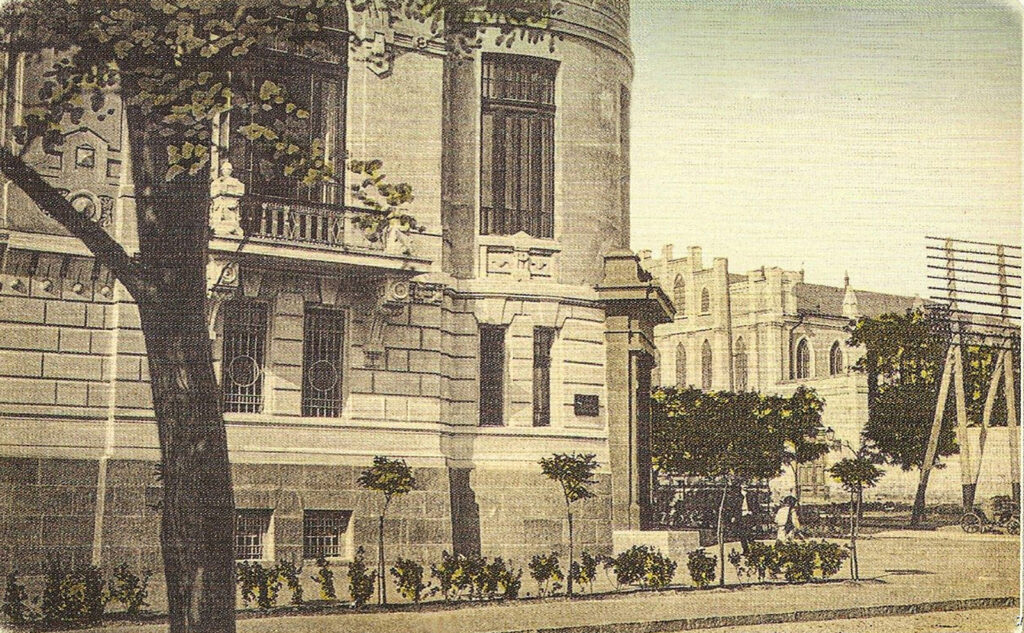
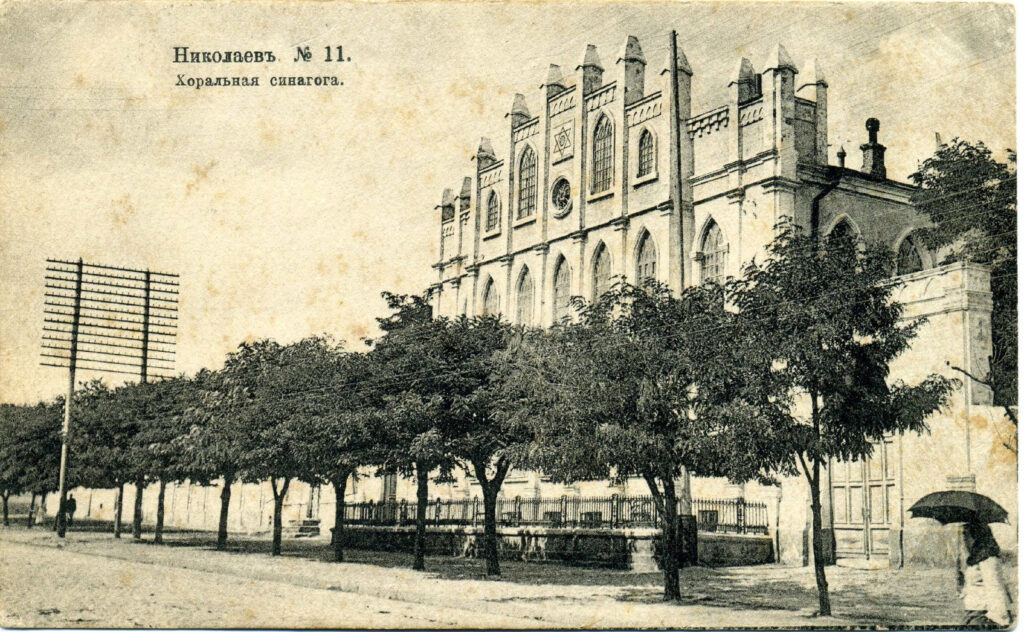
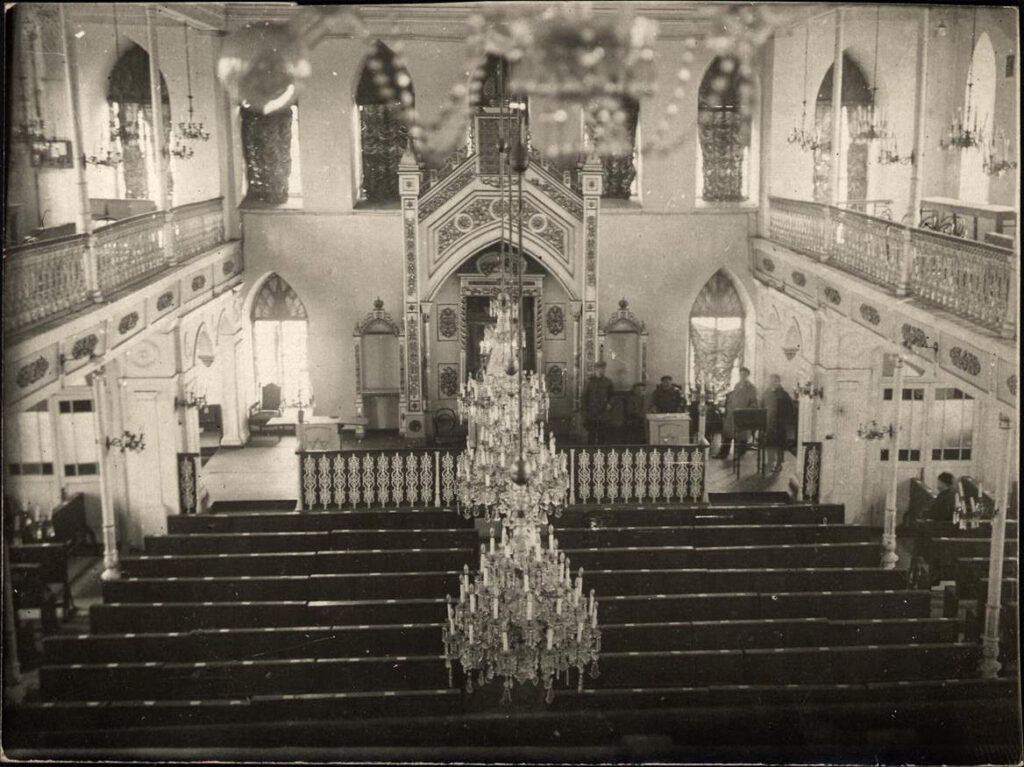
A sudden turning point came on November 20, 1829, when Emperor Nicholas I signed a decree ordering the expulsion of Jews from Mykolaiv and Sevastopol. The wording was brief and uncompromising: the presence of Jews who were not serving in the fleet was deemed “inconvenient and harmful.” According to official data, about 1,115 Jewish men lived in the city, though the real number was higher. Despite the opposition of the military governor Oleksii Greig, the final expulsion took place in 1837. The city lost a significant portion of its craftsmen, taxpayers, and capital. By 1857, out of 37,703 residents of Mykolaiv, only 133 were Jews – just 0.4% of the population.
Only in the late 1850s did the government gradually begin to ease these restrictions. In 1859 settlement was permitted for merchants of all three guilds, and in 1866 the ban on permanent residence was finally lifted. Families began returning to the city, shops and craft workshops reopened, and trade revived. Within a single generation the Jewish community once again became one of the largest in Mykolaiv. The census of 1897 recorded 17,974 Jews, accounting for about 20% of the city’s inhabitants. This was not merely demographic growth but the return of entrepreneurial, educational, and civic energy that strongly influenced urban life.
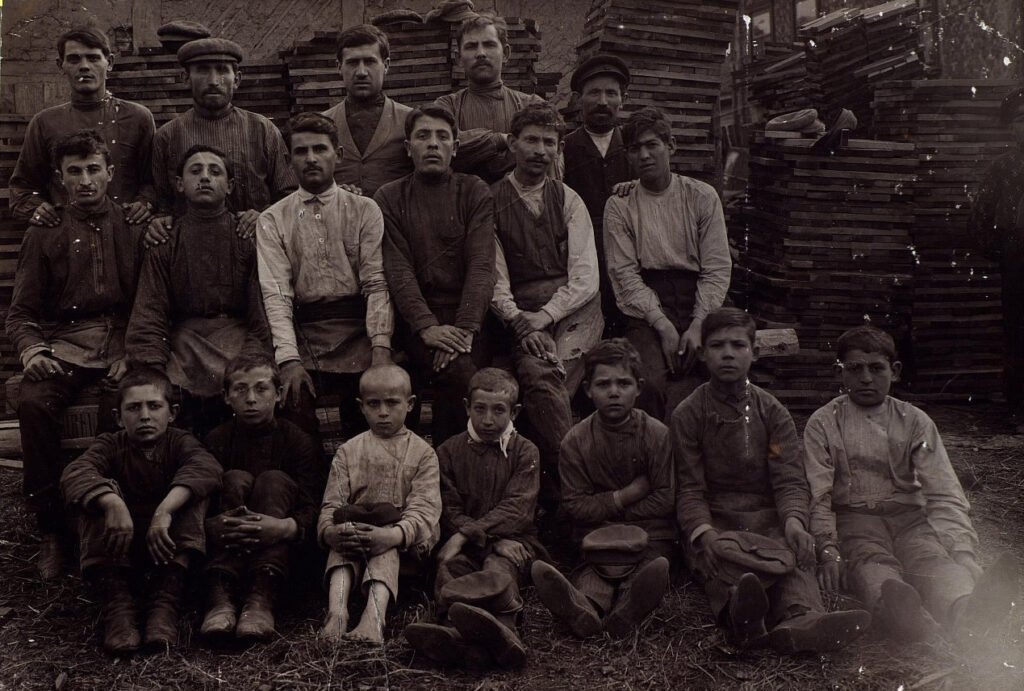
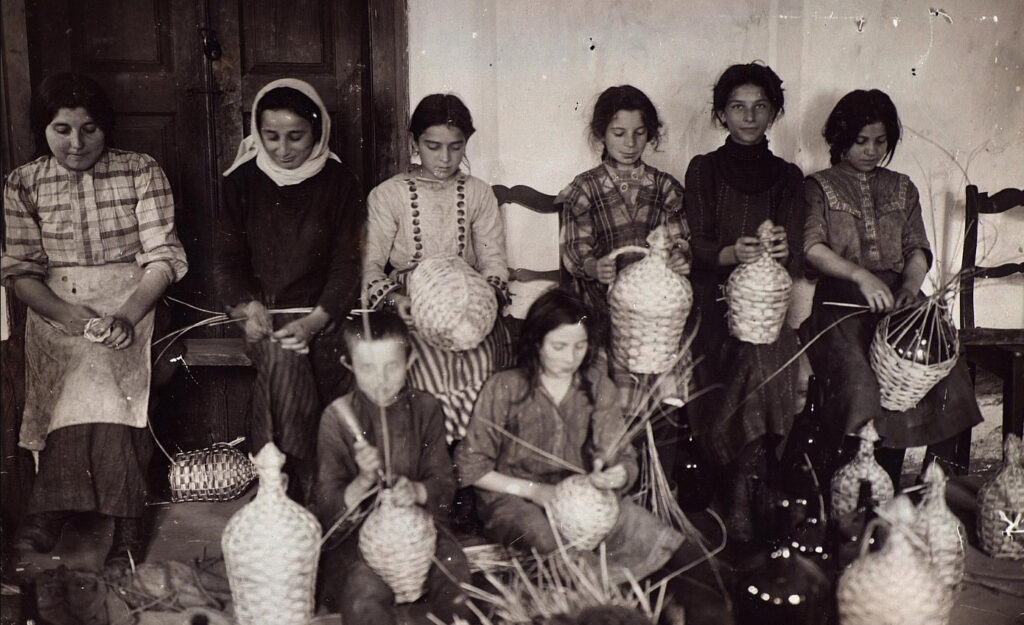
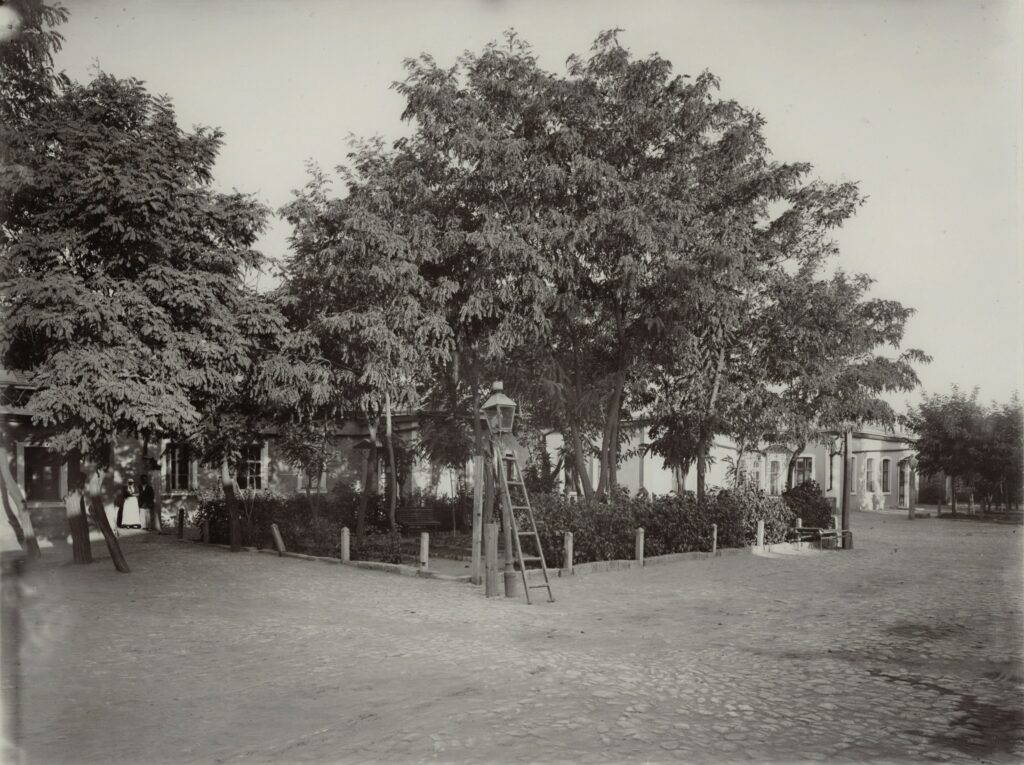
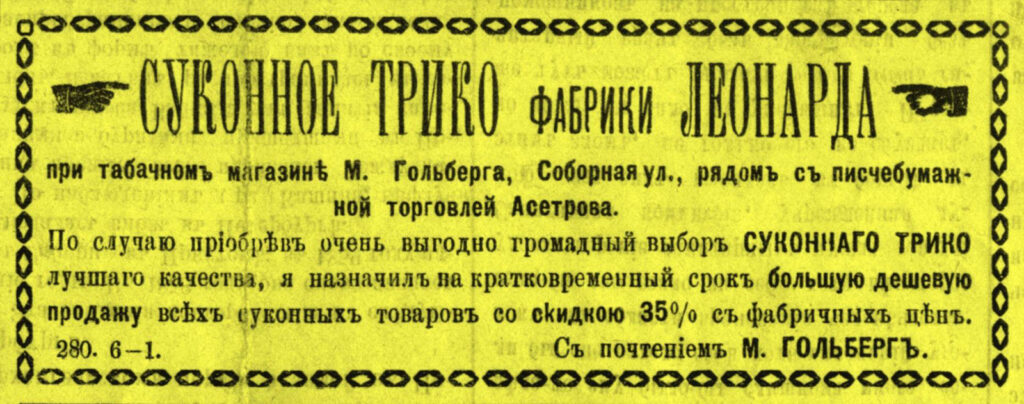
The economic contribution of the community was systematic and substantial. In 1895 there were five factories and seventy-one commercial and industrial enterprises in the city owned by Jews. In 1902 Mykolaiv exported 83 million pounds of grain abroad, of which 36 million, or 43.8%, were handled by Jewish merchants. Nine brokerage offices and ten of the twelve commission agencies involved in the grain trade belonged to them. At that time Mykolaiv ranked third among the commercial ports of the empire in terms of trade turnover, уступаючи only to Odesa in the grain trade and to St. Petersburg in shipbuilding.
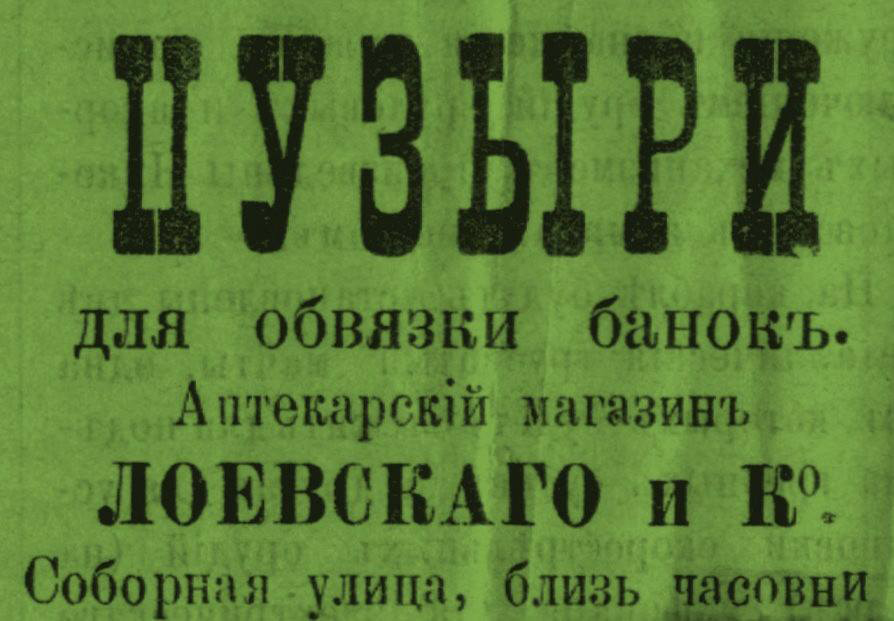
The Jewish community also played an important role in medicine. In 1888, nine of the city’s sixteen private physicians were Jews, as were eleven of nineteen pharmacists. The Jewish hospital, founded in 1865 with ten beds, had expanded by 1908 to seventy-four beds and treated more than 22,000 outpatients and 1,893 inpatients in a single year. Between 1870 and 1914 the mortality rate among the Jewish population consistently remained lower than the citywide average, on average by about one third.
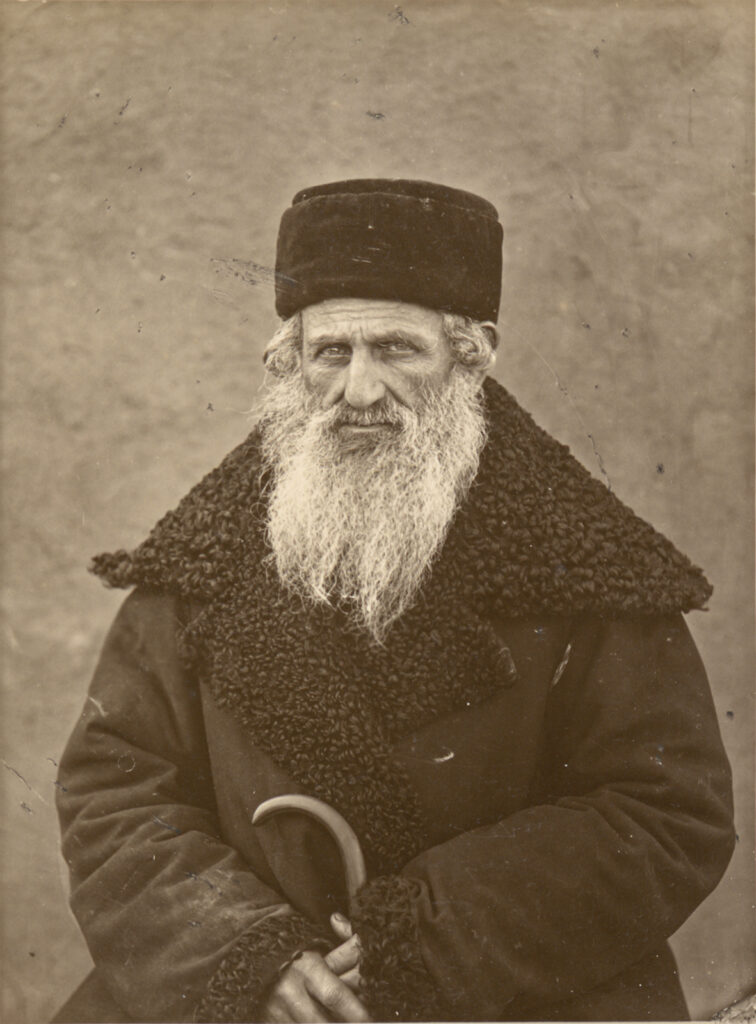
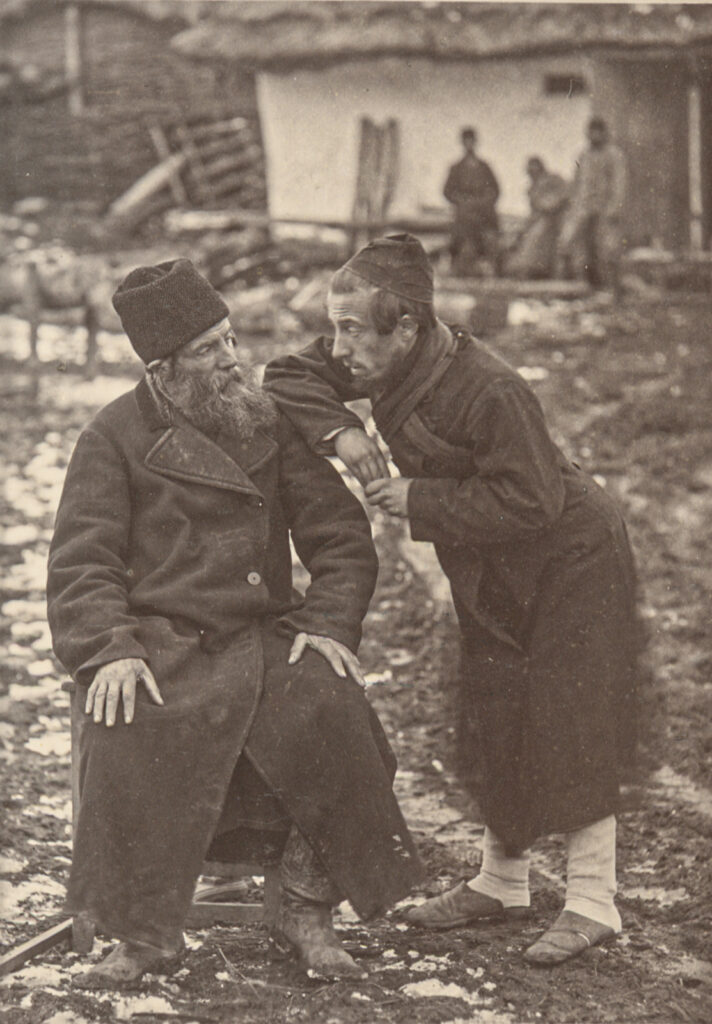
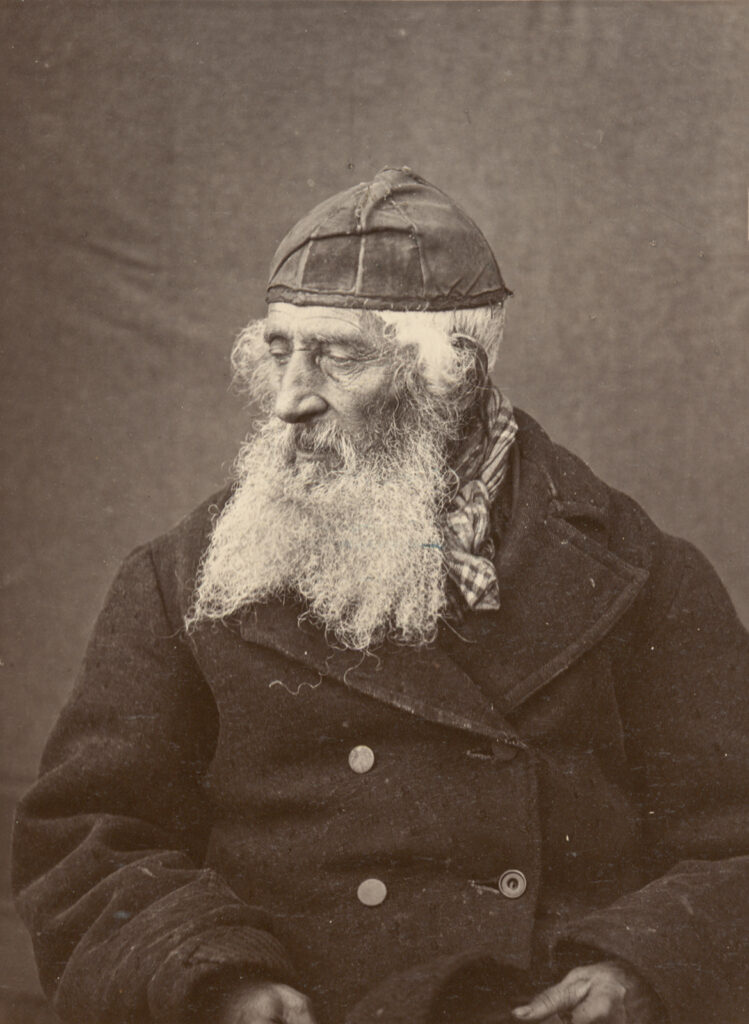
Education became another priority. In 1868 there were nineteen heders with 196 pupils. In 1912 the Talmud-Torah school educated 176 children. Despite the “numerus clausus” that limited the share of Jewish students in gymnasiums, in 1906 the S. Y. Witte Commercial School had 194 Jewish students out of 285, or 68%. According to the 1897 census, literacy among Jewish men reached 63.9%, compared with the citywide rate of 55%.
At the same time, active charitable work developed. A cheap dining hall opened in 1885 provided meals for the poor at prices ranging from two to thirty kopecks. In 1900 the “Society for Assistance to Poor Jews of the City of Mykolaiv” was established. It did not merely distribute aid but also financed tools and equipment that allowed people to earn their own livelihood. In 1915 the community received 181 refugee families – over 700 people – collecting donations from 2,110 townspeople.
In the late nineteenth and early twentieth centuries the city experienced several waves of Jewish pogroms—targeted violence against Jewish shops, workshops, and homes. In May 1881 houses and stores were looted in several districts. In April 1899 the pogrom lasted four days, and participants arrived from surrounding settlements; fifty-three arrests were recorded, while material losses exceeded 103,000 rubles. The largest outbreak of violence occurred on October 19, 1905, when for three days the center of Mykolaiv and its outskirts were engulfed by pogroms. At least five people were killed and hundreds were injured.
These pogroms were not isolated incidents. They formed part of a broader wave of anti-Jewish violence across the empire, fueled by social tensions, revolutionary unrest, and the passivity or tacit tolerance of the authorities. After the events of 1905, 863 victims applied for assistance to a special committee, which distributed more than 68,000 rubles in compensation. Yet material losses were only part of the consequences: confidence in the safety and stability of urban life was deeply shaken.
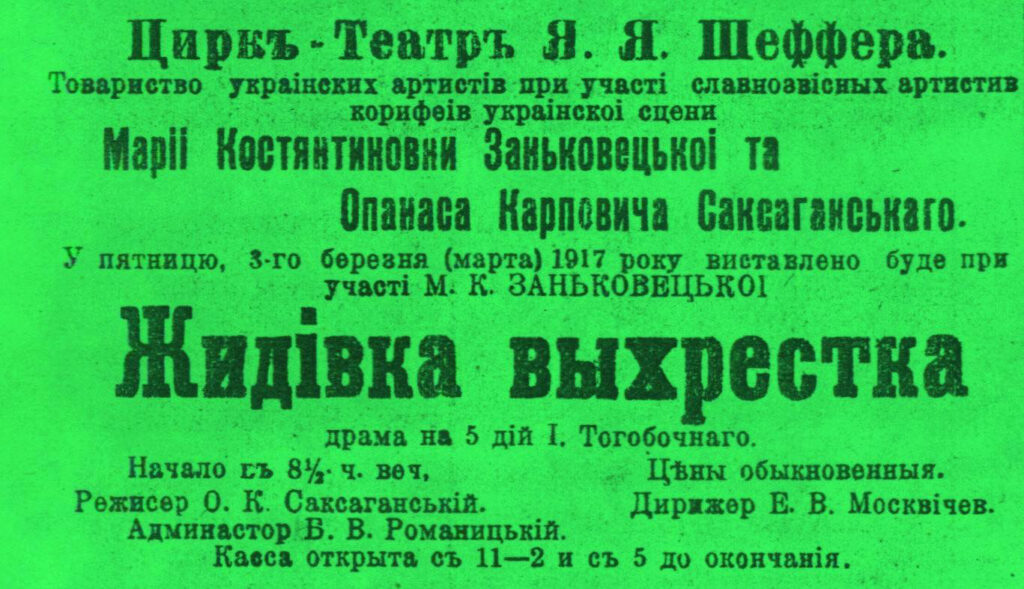
Jewish presence in Mykolaiv was visible not only in statistics but also in the city’s physical landscape. The Old Synagogue at the corner of Shneerson Street and Velyka Morska Street, the Choral Synagogue at 5 Oleksii Vadaturskyi Street, and the streets Marka Kropyvnytskoho, Mariupolska, Oleksii Vadaturskyi (Faleievska), and Admiralska were not merely addresses but centers of everyday life. At 21 Admiralska Street the Talmud-Torah school for children from poor families operated; along Mariupolska Street were craft workshops and shops; around Velyka Morska Street a vibrant space of religious and communal life took shape. Within these toponyms today still lies the memory of a community that for centuries formed an organic part of the city’s landscape.
The final blow came with the Holocaust. By August 1941 more than 25,000 Jews lived in Mykolaiv. Some were evacuated together with industrial enterprises, but the majority remained. In the first days of the occupation about 4,000 people were shot. Mass executions continued in the outskirts of the city and throughout the region: in Snihurivka district more than 4,900 residents of Jewish village councils were killed; in Bereznehuvate district 1,975 people – about 93% of the prewar population – were murdered; in Novopoltavka 1,040 victims were recorded, in Dobre 638, and in Yefinhari 519.
The largest center of mass extermination was Bohdanivka in the Domanivka district, where more than 115,000 people were killed in total, including about 54,000 within the camp itself. People were held outdoors during winter, condemned to die from cold and hunger, and those who survived were shot in nearby ravines. Jews deported from Odesa and other regions were also executed in the Mykolaiv region. Many sites of mass murder remain barely marked to this day, and the names of numerous victims are still unknown.
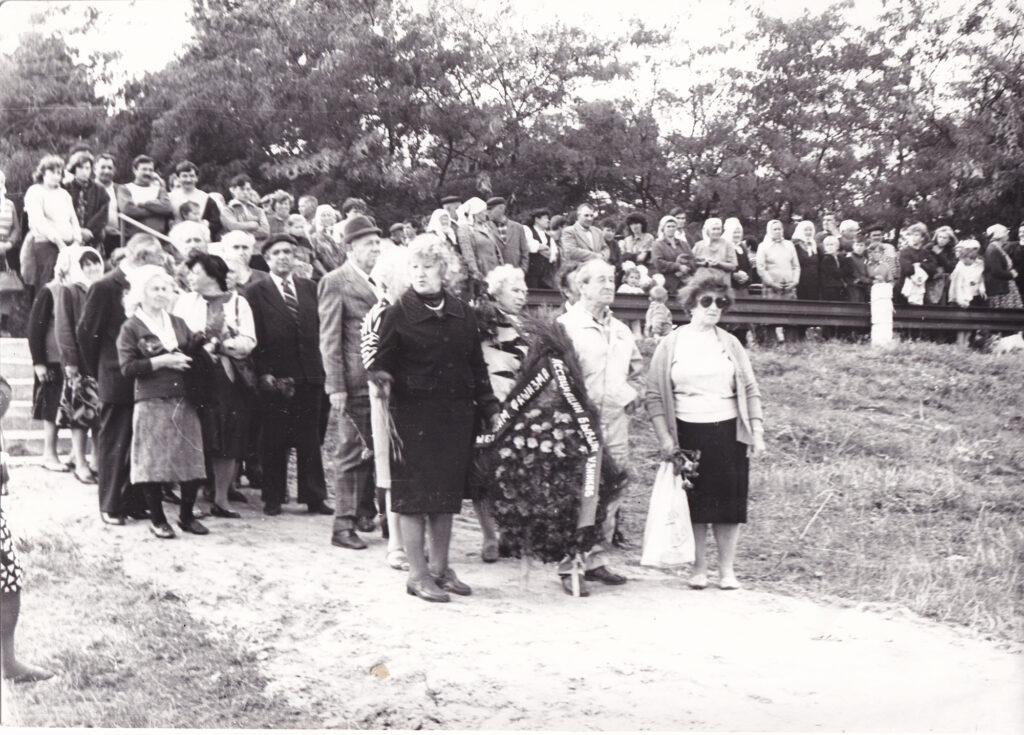
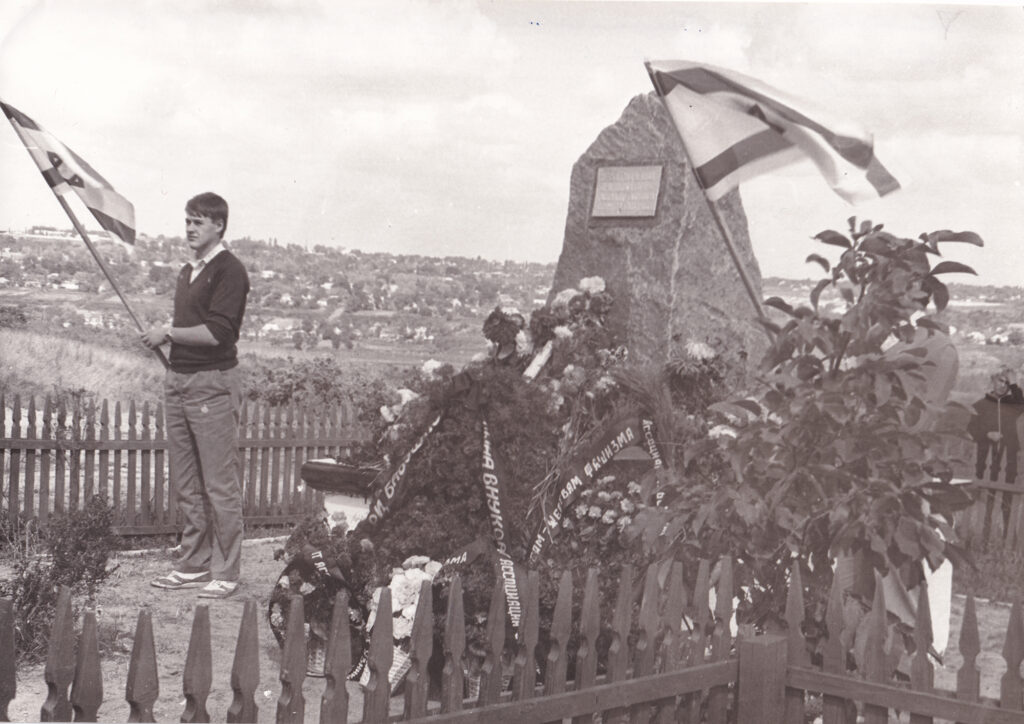
The history of the Jewish community of the Mykolaiv region is the history of a fully integrated part of urban and regional life, without which it is impossible to understand either the economic development of the nineteenth century or the cultural landscape of the early twentieth. It began with craft workshops and synagogues, passed through university classrooms, hospitals, and port offices, and ended with a tragic rupture during the years of the Holocaust. Understanding this history is not only a tribute to memory but also a necessary condition for an honest conversation about the past of the region.
This publication was created as part of the project “What’s Mykolaiv About? The Multi-Ethnic South,” implemented by MY ART Platform in partnership with Mykolaiv Development Agency and Mykolaiv Crisis Media Center, with support from Heinrich-Böll-Stiftung Kyiv – Ukraine.
As a reminder, a video about the history of Mykolaiv’s Jewish community was recently filmed.