
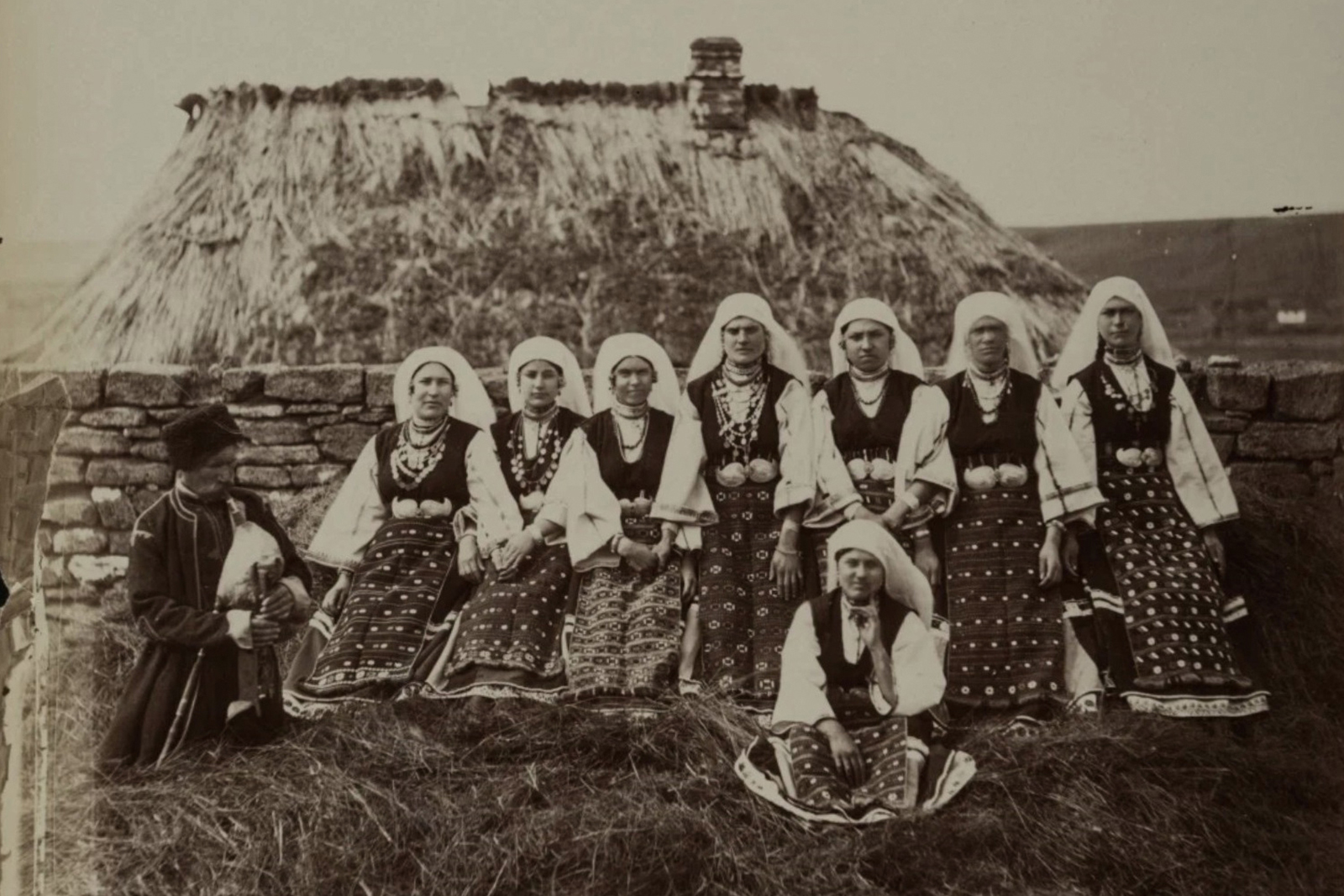
On the northern outskirts of modern Mykolaiv lies the Ternivka neighborhood. For most residents of the city it is simply a residential district. Yet a closer look at its past reveals that it is in fact one of the oldest Bulgarian settlements in Ukraine, founded more than two centuries ago by people who fled Ottoman oppression and found a new homeland here.
The first inhabitants arrived in the autumn of 1802. They were migrants from the Adrianople Vilayet, primarily Bulgarians and Greeks who were escaping the kirdzhali movement – bands of brigands that terrorized the Christian population of Thrace. Refugees reached Odesa on merchant vessels from Sozopol, Mesemvria, and Constantinople, while some traveled overland through the Dubossary quarantine station. In October 1802 the first sixteen families settled in Ternivka – eighty-five people from Adrianople, Buyuk-Buyalik, Malko Tarnovo, and other towns and villages of Thrace. By 1807 the population had grown and stabilized at 566 inhabitants.
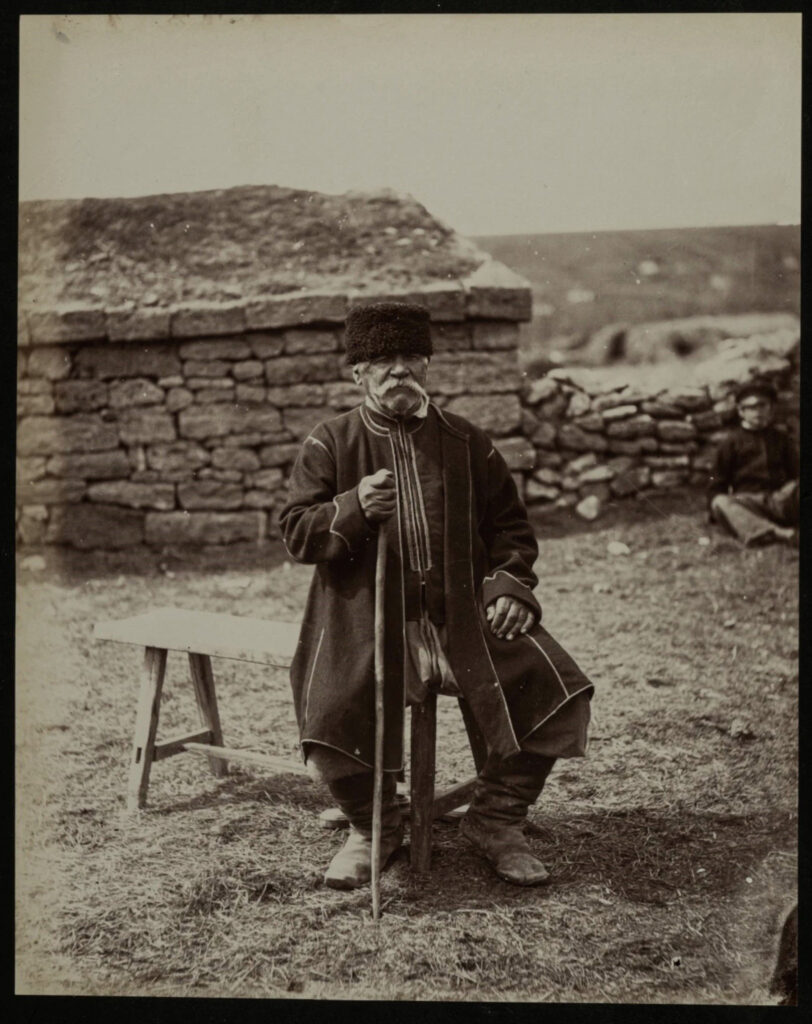
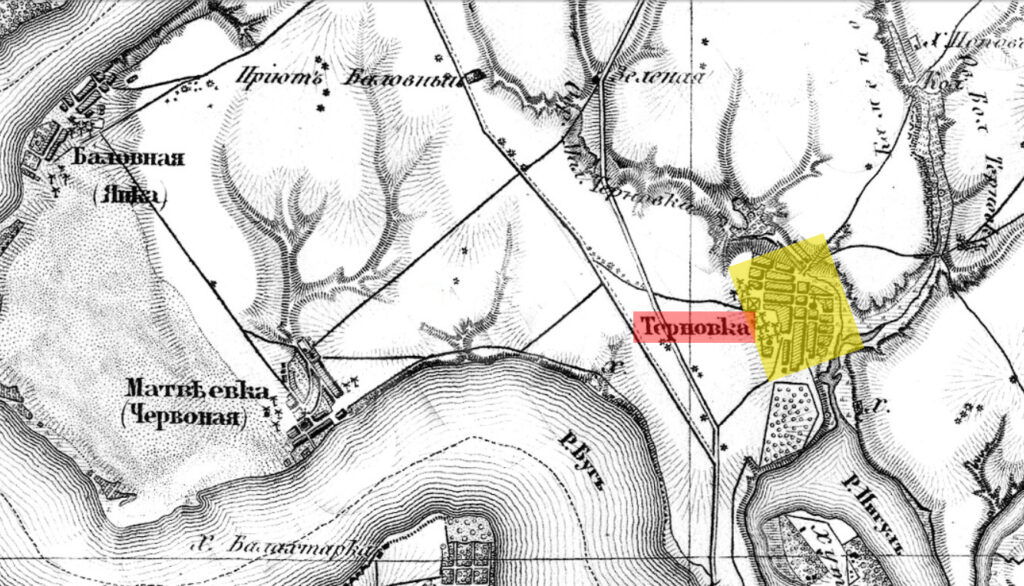
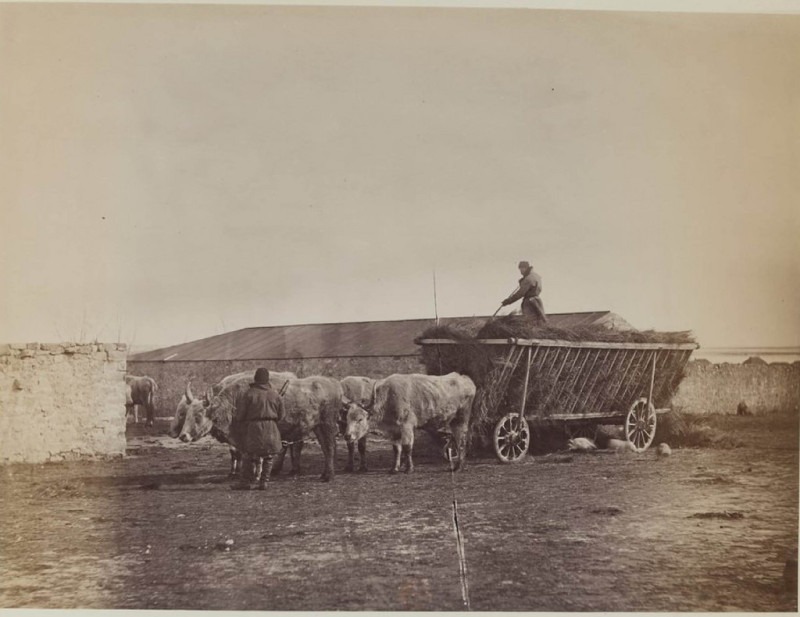
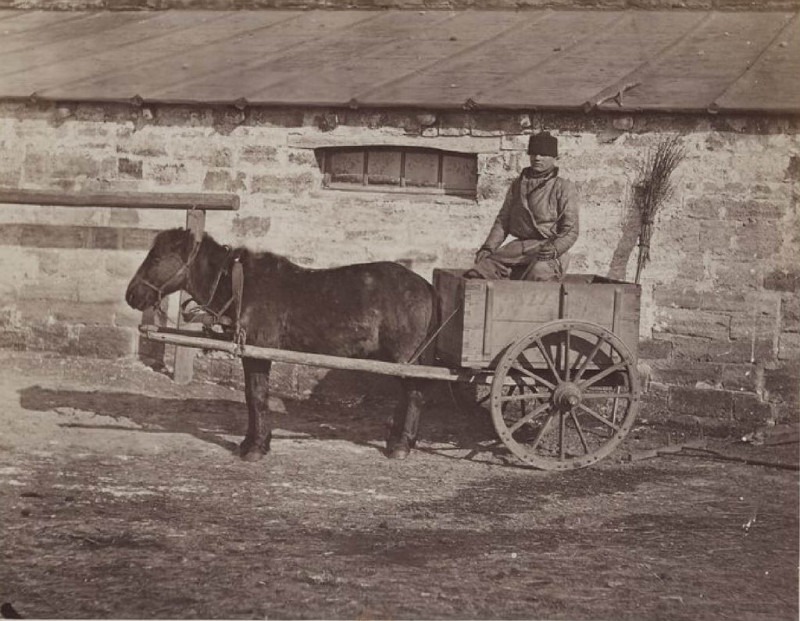
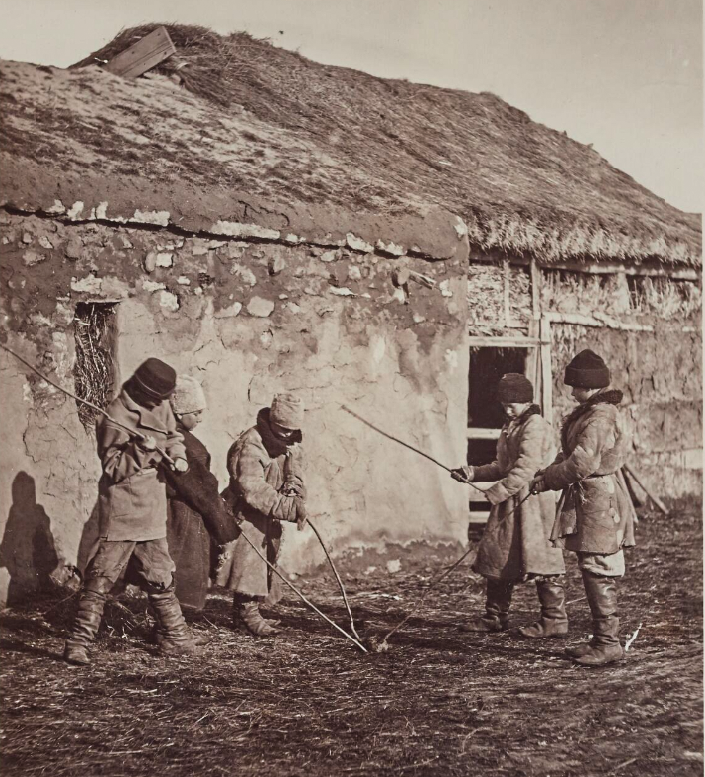
Establishing themselves was not easy. The first settlers moved into former “Turkish” houses that were distributed by lottery, repairing ovens and roofs. For the construction of new dwellings the guardianship office allocated a loan of 2,508 rubles, while for urgent needs settlers received subsistence payments of 3 rubles 50 kopecks. The land they received was smaller than originally promised. Nevertheless, by 1806 the colonists had already sold wheat worth 3,070 rubles. The inhabitants of Ternivka were the first in the area to develop vegetable farming on a commercial scale. Gardens spread across the valleys of the Ternivska, Zaichevska, and Kapustiana ravines, while the growing market of Mykolaiv ensured stable demand. By the middle of the nineteenth century twenty-seven windmills operated here, which the Bulgarians themselves called “vodenitsi.” The first was built as early as 1806 by the peasant Dymitrii Stepanov.
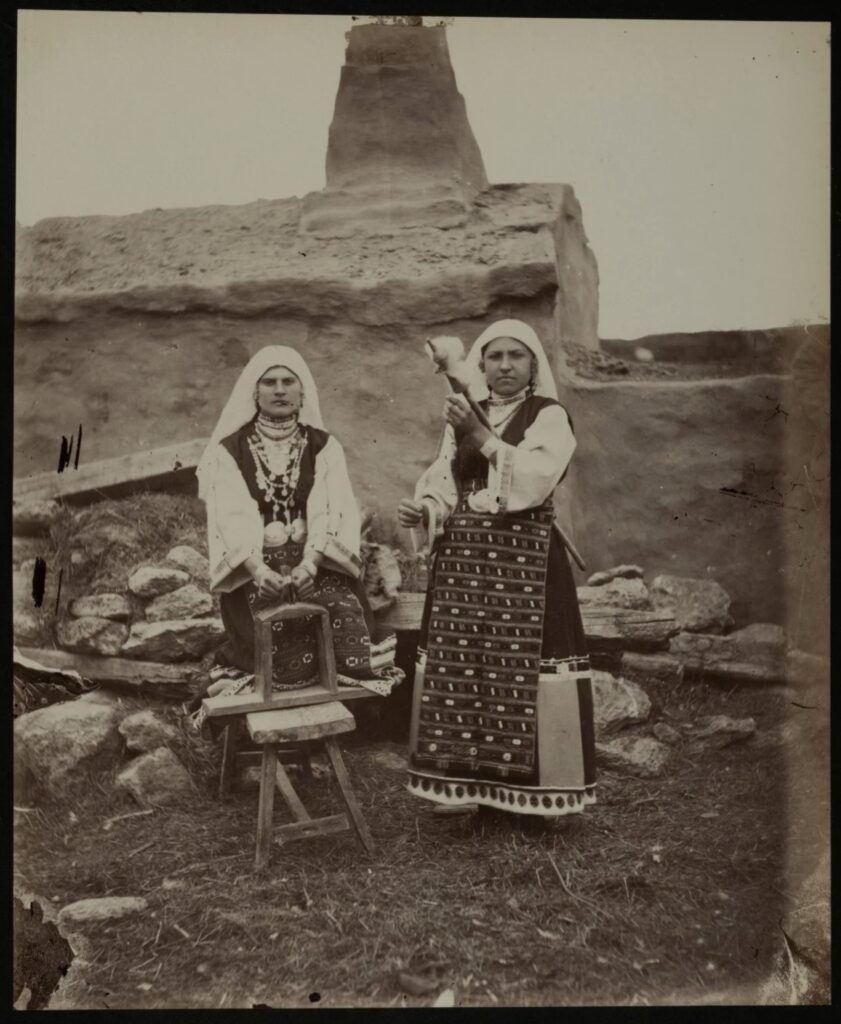
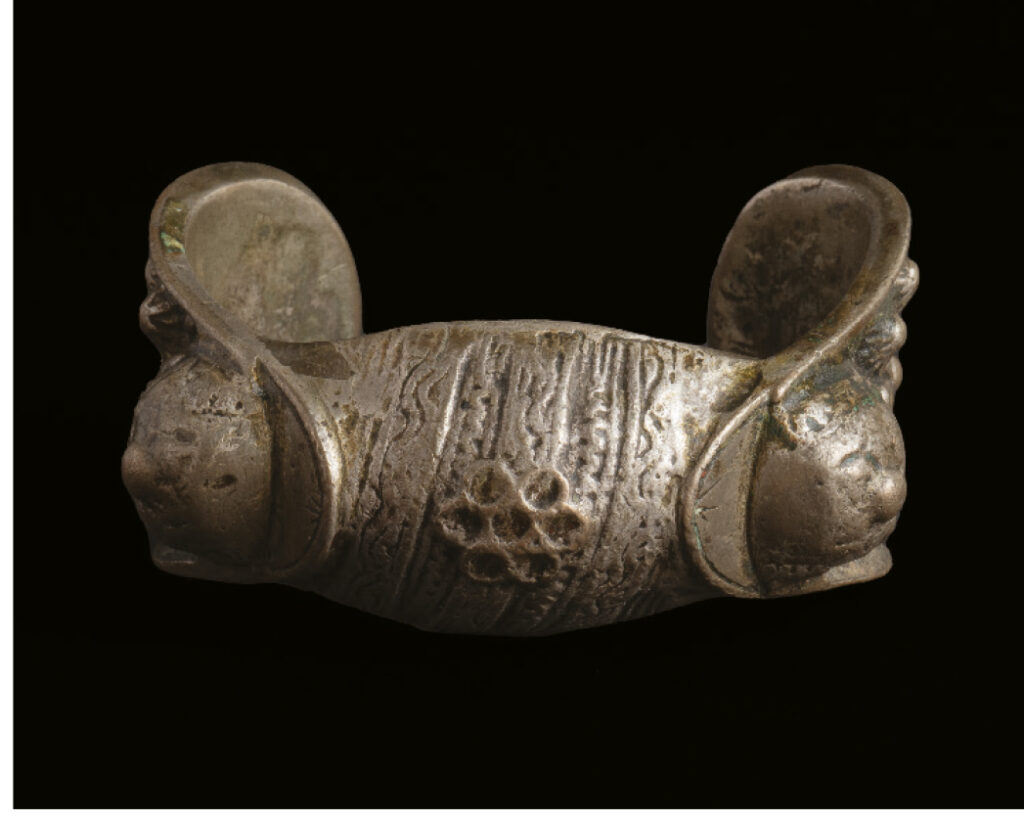
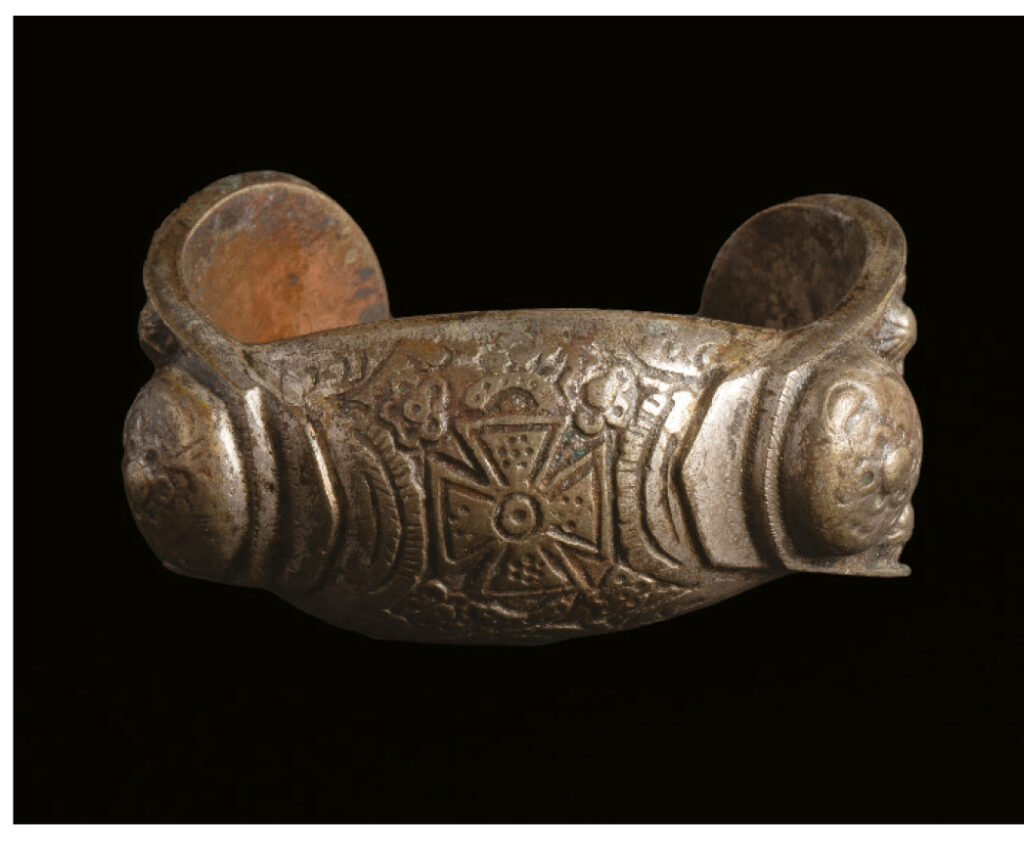
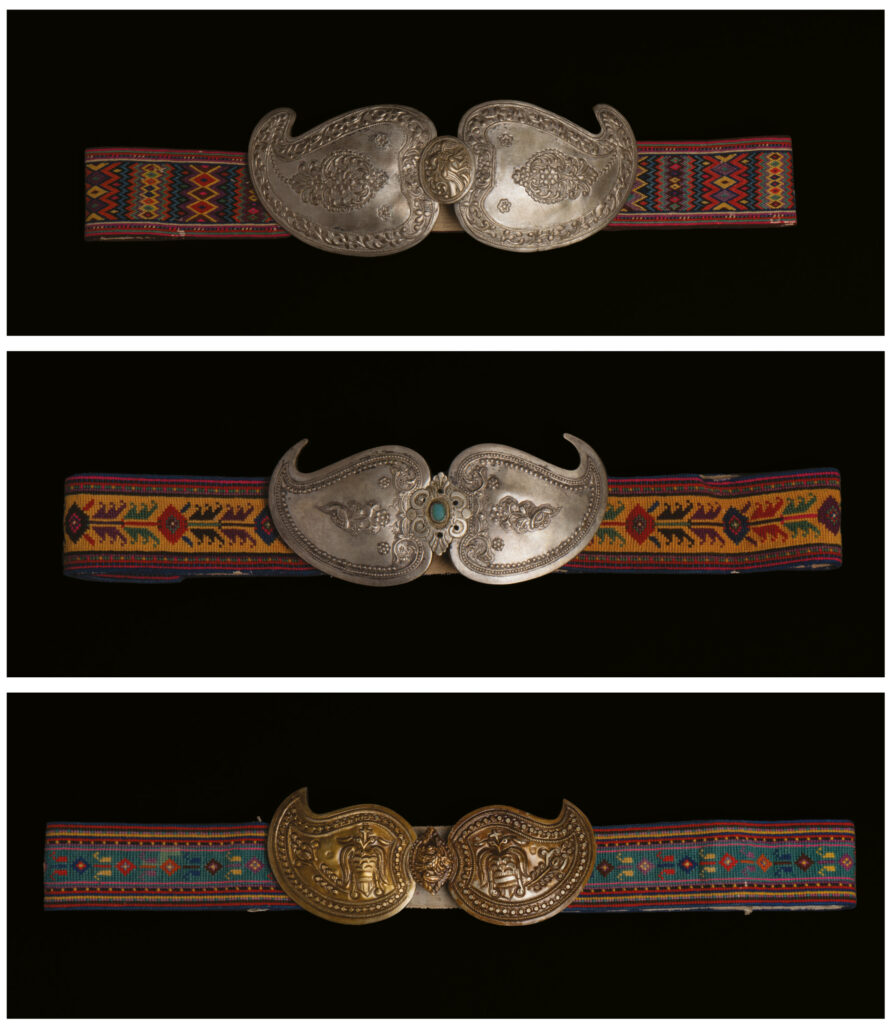
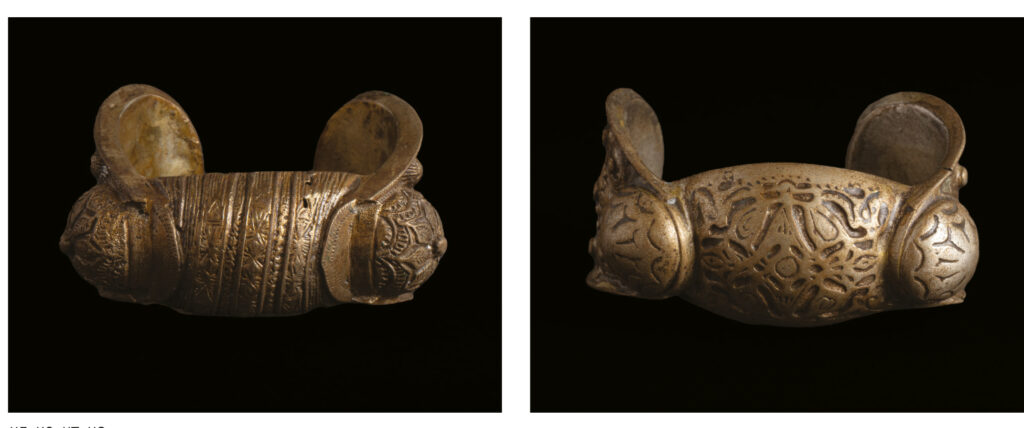
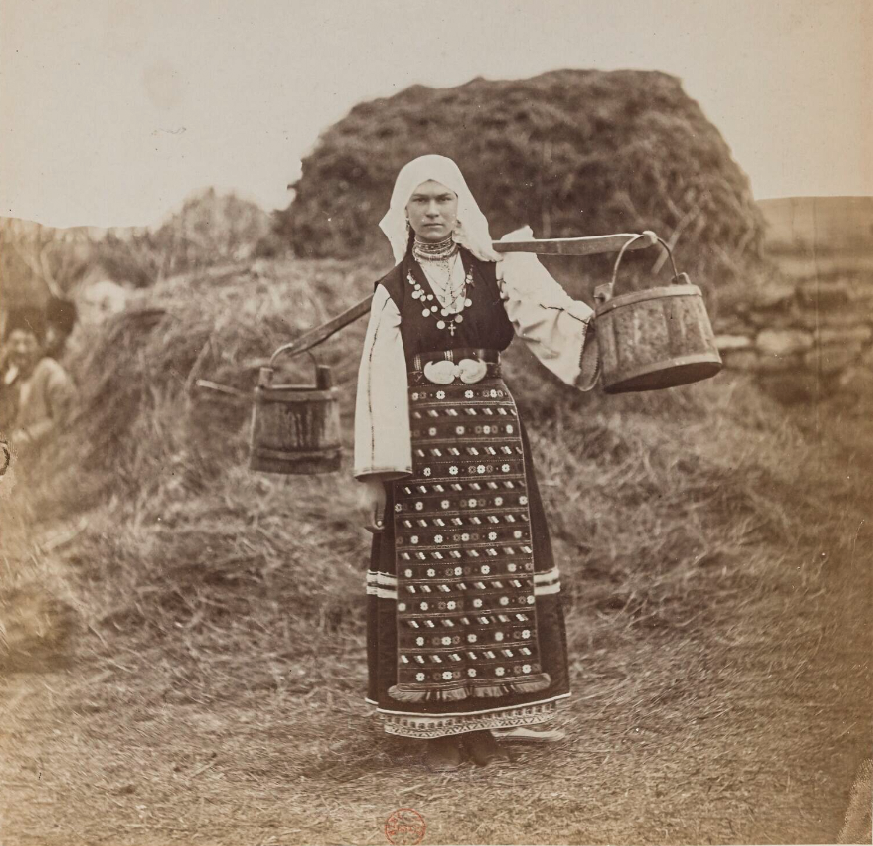
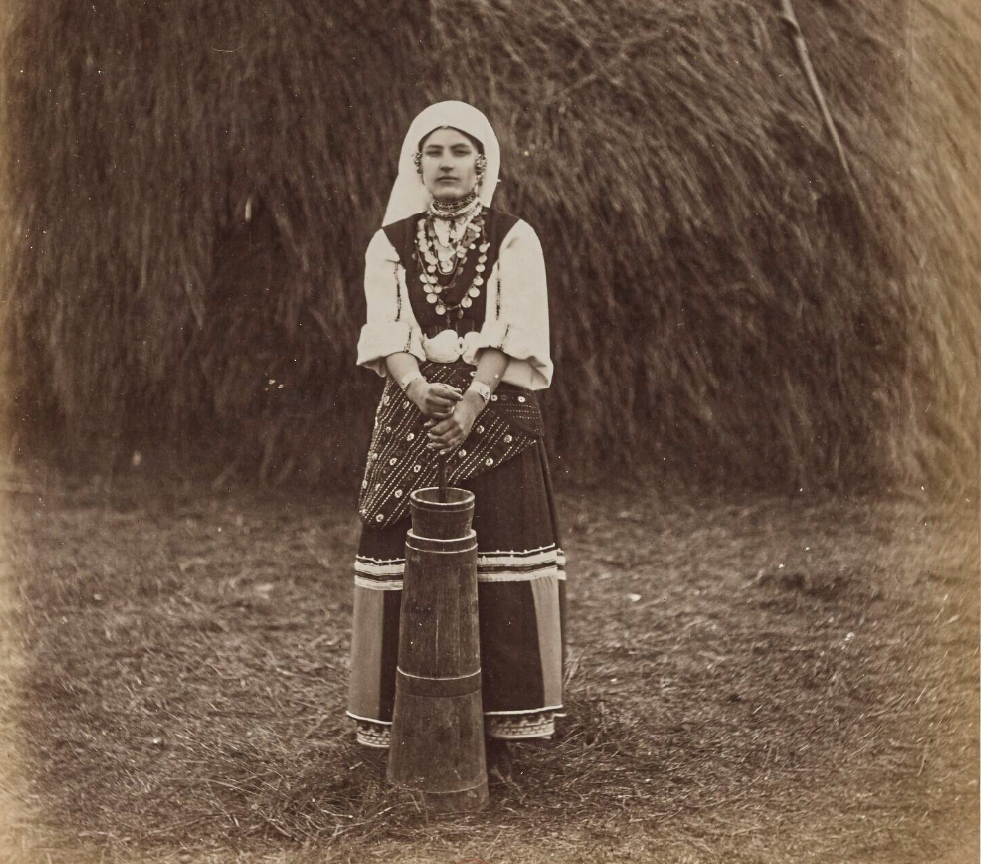
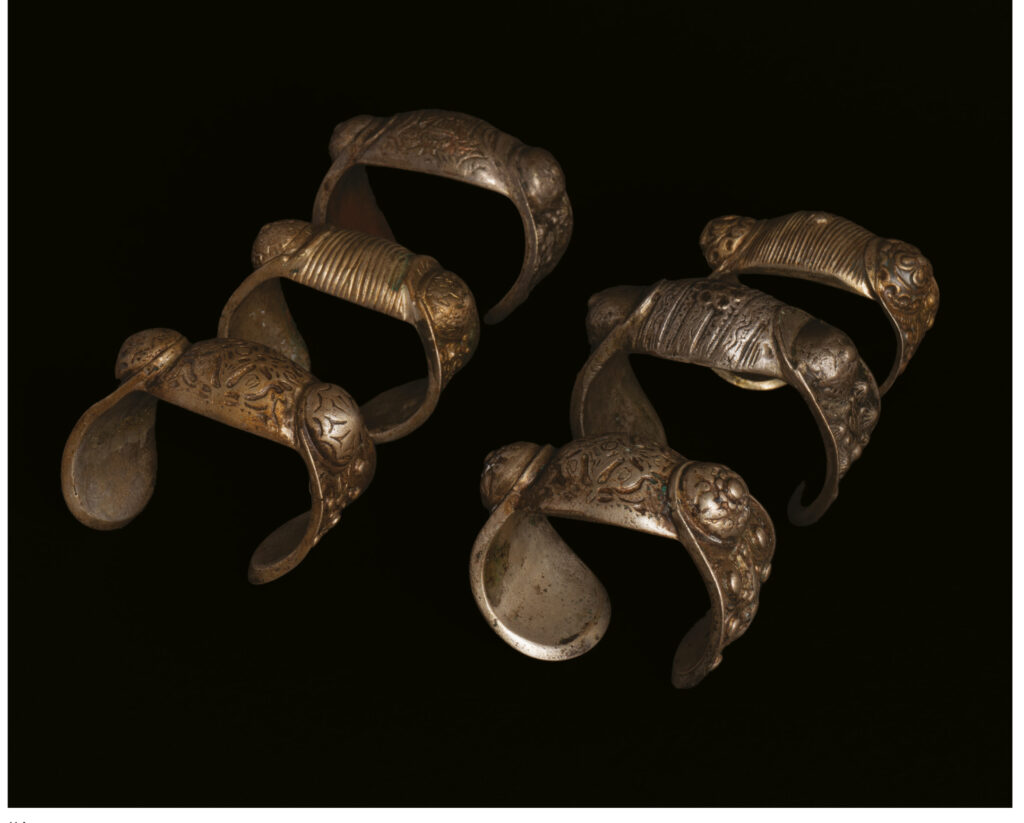
Ternivka became one of the major centers of stoneworking in the region. Local deposits of sandstone and limestone provided excellent conditions for this craft. Workshops produced pilasters, cornices, millstones, and gravestones. Blacksmiths and carpenters supplied farms with tools and equipment. Goldsmiths and silversmiths from the Altinchuv and Kundaruv families made women’s jewelry from coins—necklaces and pendants that were passed down through generations as family heirlooms. In nearly every household stood a loom, which the Bulgarians called a “razboi.” Ternivka carpets with ancient geometric patterns have survived in some homes to this day.
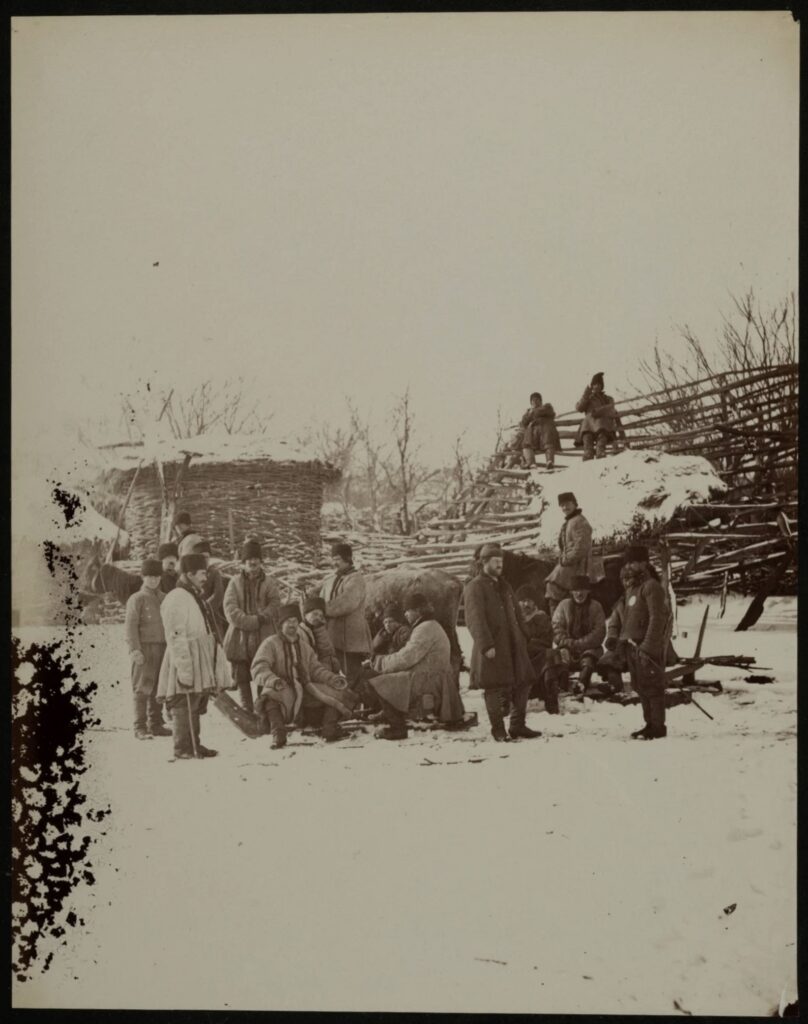
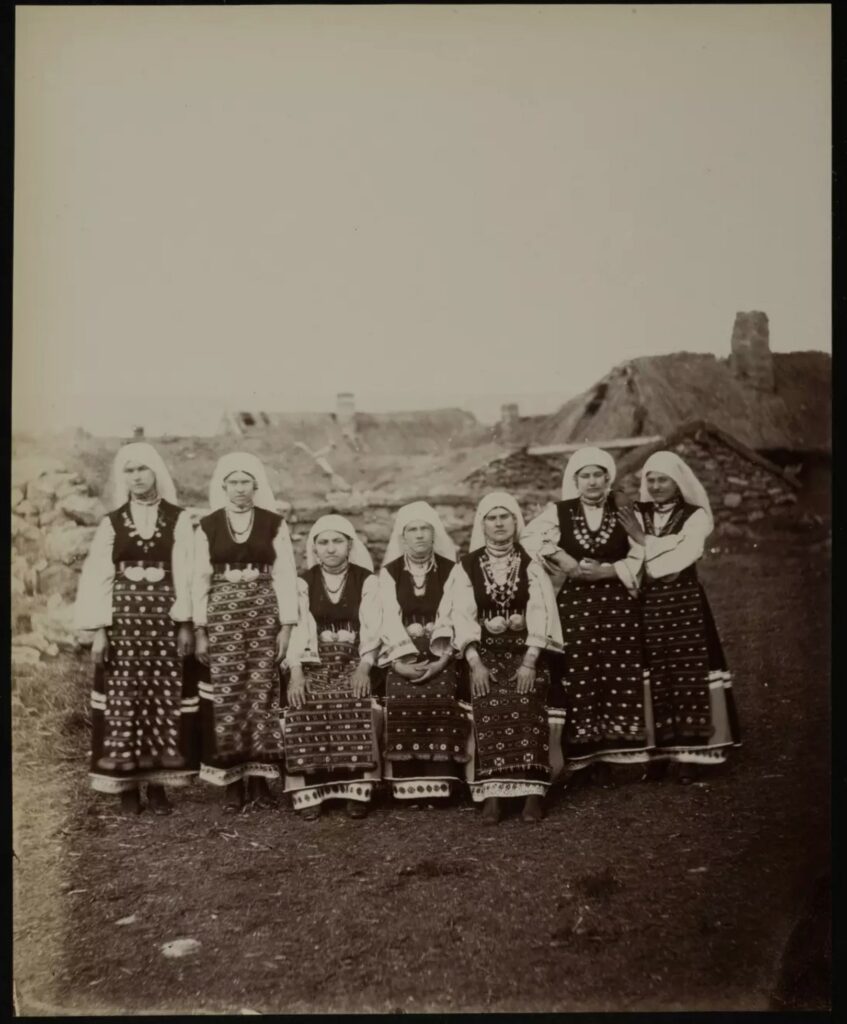
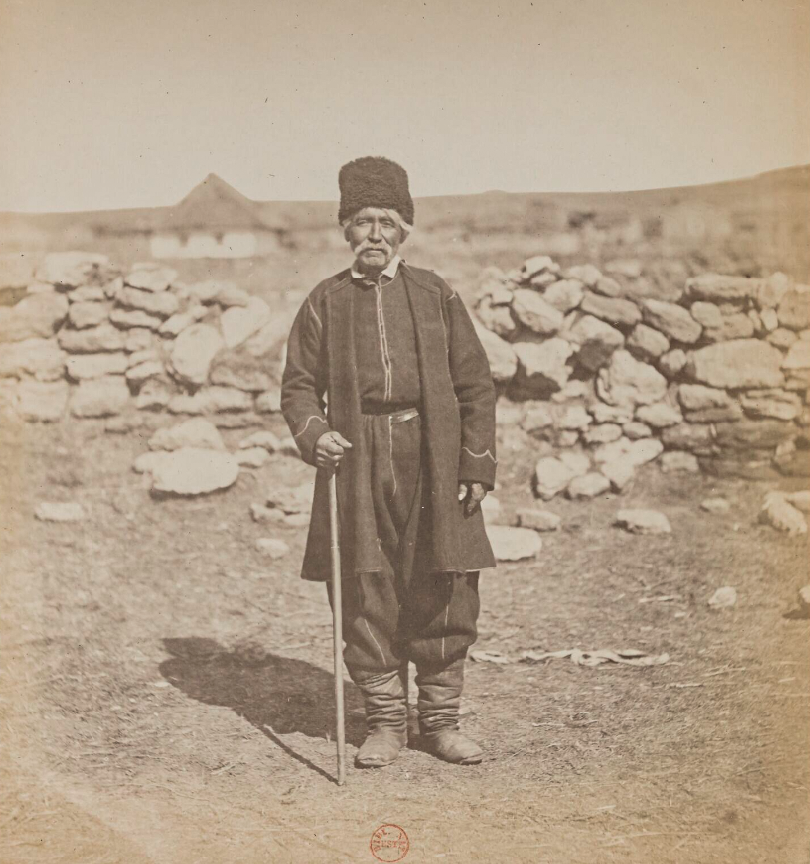
The architectural layout of the colony was designed by the Mykolaiv architect Vikentii Vanrezant and Theodor Wunsch. Wunsch also rebuilt a former mosque with two minarets into the Church of the Dormition of the Holy Mother of God, consecrated at the end of 1803. The first priest was Archpriest Ioan Yuriev, who had previously served in a church in Adrianople. The first school opened in 1839 on the initiative and at the expense of the colonists themselves. By 1917 Ternivka had six schools with about 420 pupils. Among the well-known natives and members of the community were the ethnographer Serhii Tsvetko, Vasyl Buznik, rector of the Mykolaiv Shipbuilding Institute, and the engineer Ivan Stoev, a recipient of the Lenin Prize.
Bulgarian presence was felt not only in Ternivka but also in the very center of Mykolaiv. At the corner of the then Inzhenerna and Nikolska streets, the South Slavic Boarding School of Todor Minkov operated from 1867—a unique educational institution for all of Europe. Minkov founded it in order to provide Bulgarian and other South Slavic youth with a full national education at a time when they had almost no such opportunities before the emergence of their own nation-states. Over a quarter of a century around eight hundred Bulgarian boys and girls and more than fifty Serbs, Croats, and Montenegrins studied there—many of whom later became writers, scholars, and military leaders. After Bulgaria gained independence the boarding school fulfilled its mission and closed in 1892. The building itself was demolished in 1990.
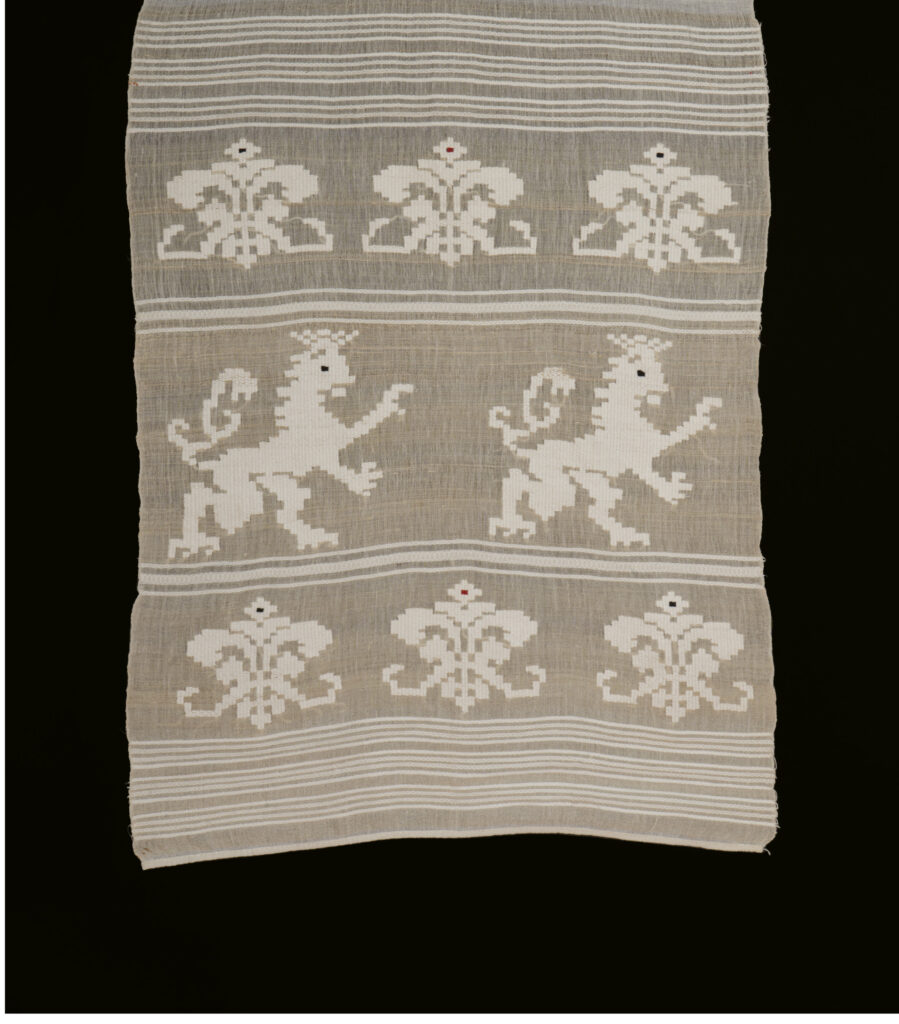
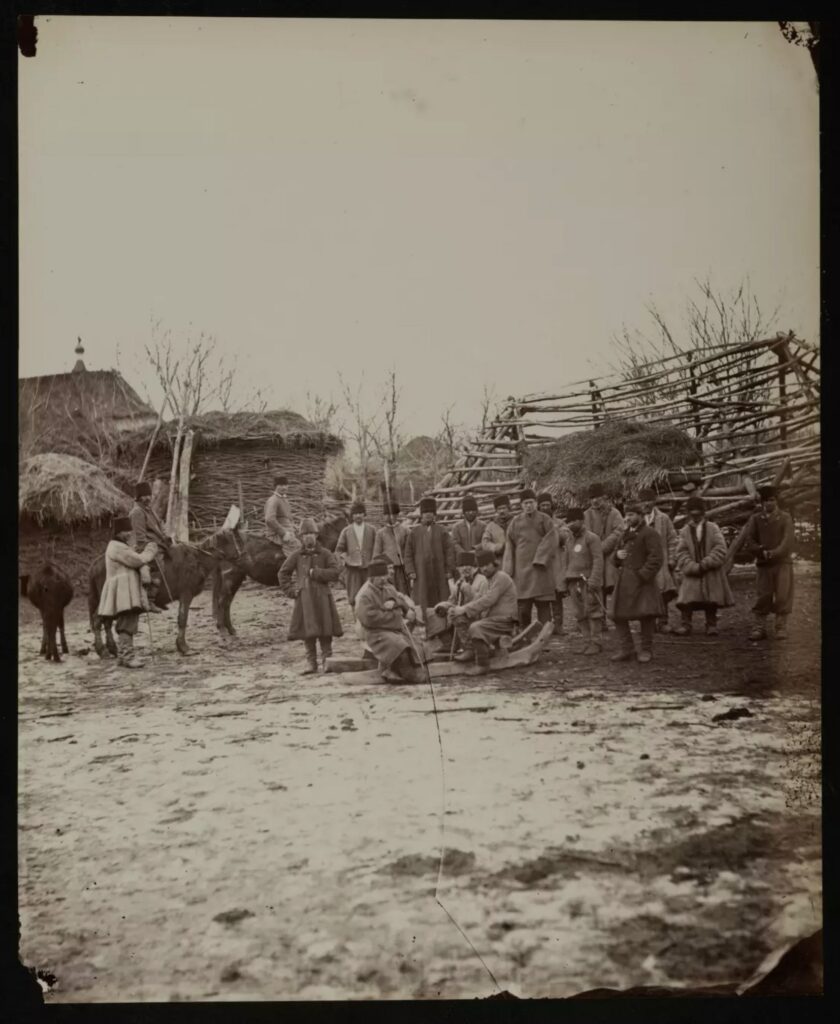
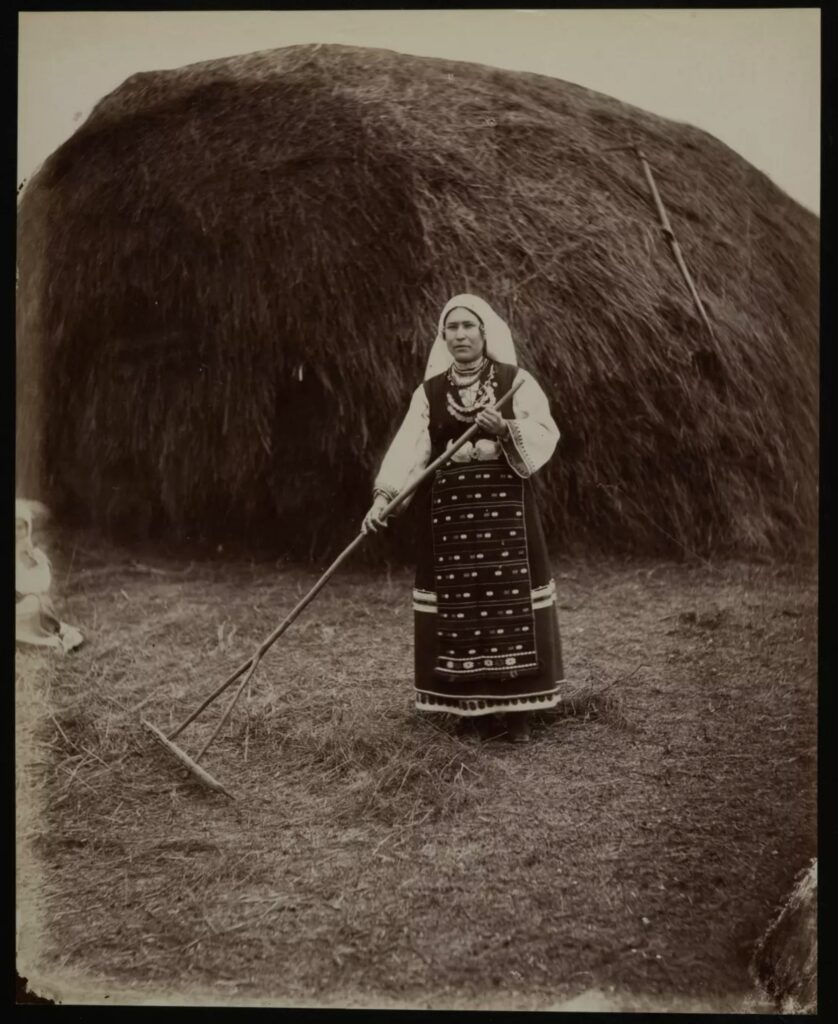
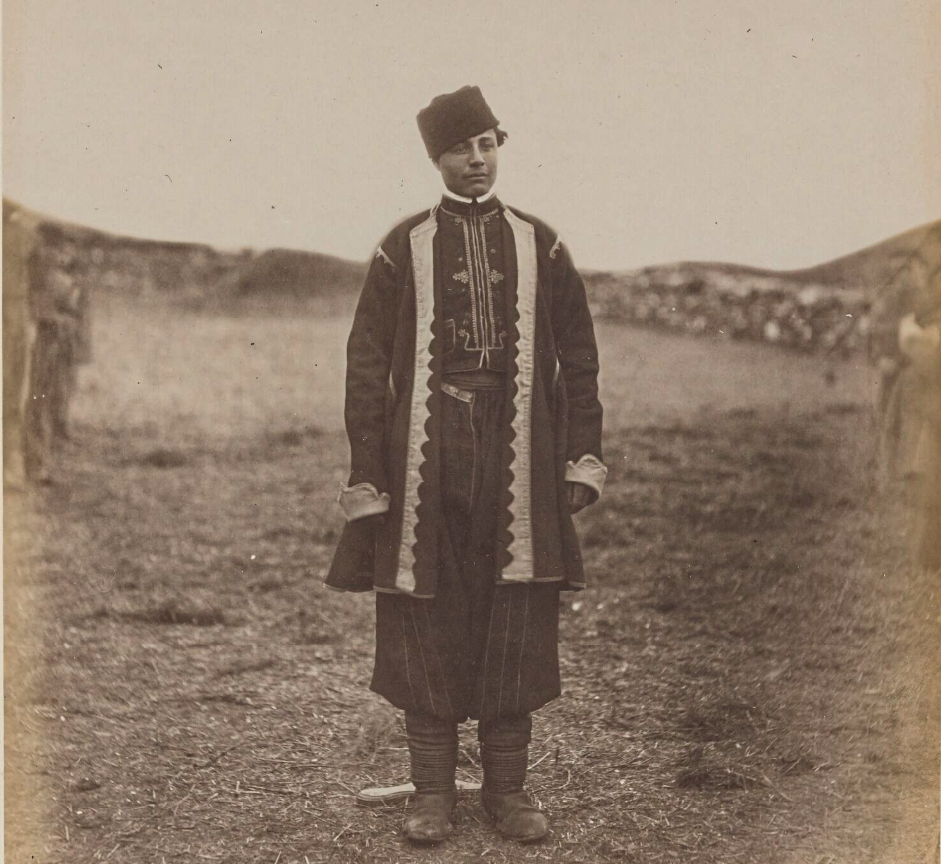
The cultural life of Ternivka was shaped by the folklore of the Sakar–Strandzha region brought from the settlers’ homeland. Songs were performed during fieldwork, at evening gatherings, and in circle dances; more than 120 proverbs, sayings, and legends were recorded. In the early twentieth century an amateur theater appeared in the colony and even toured outside Ternivka. In 1926 a separate building was constructed for it, named after Vasil Kolarov. The center of family life remained the traditional Bulgarian wedding with its elaborate rituals: a cow’s horn as a symbol of prosperity, a clay pot filled with oats, ceremonial towels for guests and matchmakers, and ritual dishes such as dulma, vertuta, and banitsa. All these customs were described by the native of Ternivka, Serhii Tsvetko, in ethnographic studies of the 1920s published in Ethnographic Herald and the Bulletin of the Odesa Commission of Regional Studies.
Despite the relative insularity of the community, the inhabitants of Ternivka did not remain apart from major historical events. During the Patriotic War of 1812 the colonists donated 344 rubles to the people’s militia. During the Crimean War they accommodated between 117 and 1,095 soldiers daily and provided 2,672 transport wagons. During the First World War the cultivated land area decreased by nearly 2,500 desyatinas as many men went to the front. In August 1941 the occupying forces executed communists and Jews and deported 350 young people to Germany. On March 27, 1944 units of the 66th Rifle Corps under the command of Lieutenant General Dmytro Kupriyanov liberated Ternivka. About 500 of its inhabitants served in the Red Army. Among those awarded military decorations were Fedir Tsvyatko, Oleksii Stoev, Vasyl Diordiiev, and Andrii Hamza.
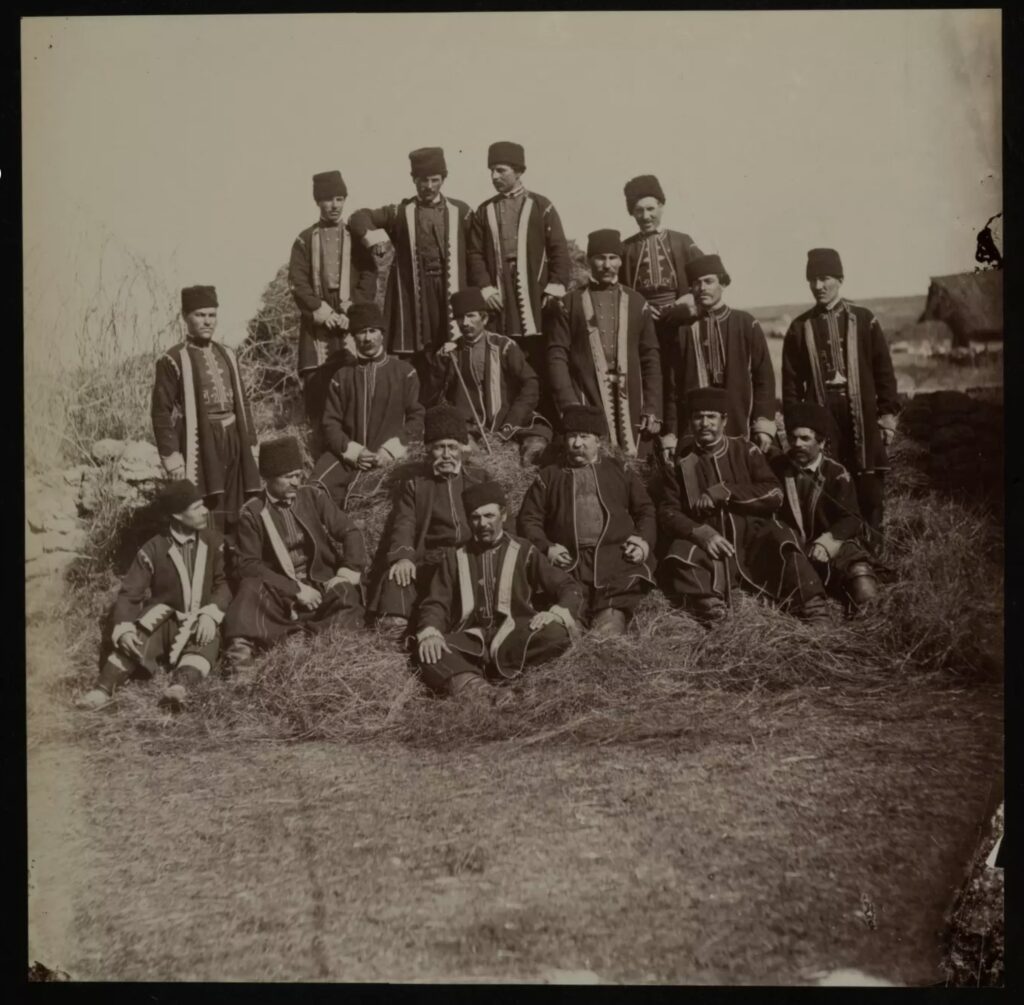
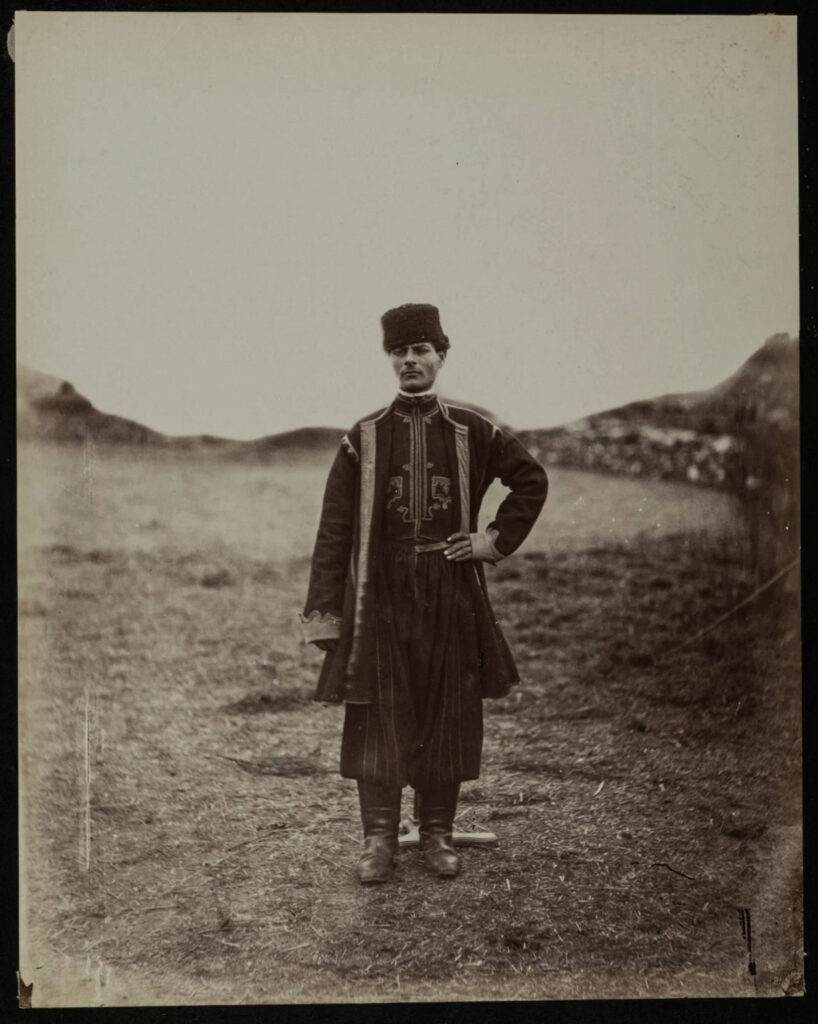
After the war Ternivka became part of Mykolaiv, which accelerated the process of assimilation. The revival of Bulgarian cultural traditions began only in independent Ukraine. Associations of Bulgarian culture appeared, along with a historical and ethnographic museum and folklore ensembles. In School No. 16 the Bulgarian language was introduced as an elective subject. In 1997 Mykolaiv established a sister-city partnership with Malko Tarnovo, from which a significant part of the first settlers had come.
Among those who most vividly embodied this cultural revival was the painter and poet Valentyna Zyrianova. For forty years she created paintings and wrote poems about the Bulgarian everyday life of the neighborhood, which by then few people still perceived as Bulgarian. Her exhibitions were held in the Mykolaiv Regional Museum of Local History and in the Vereshchagin Regional Art Museum, and in 2000 her work received recognition in Bulgaria itself.
Today the Bulgarian roots of the neighborhood are recalled by street names such as Sofiivska, Ivan Vazov Street, Vasil Levski Street, and Vasil Kolarov Street. Another reminder is the Ternivka dialect, still spoken by some older residents. Linguists consider it a rare example of an insular Thracian dialect of the nineteenth century. It is a language that was never taught in universities but simply passed from grandmother to grandson. And yet it was passed on.
This publication was created as part of the project “What’s Mykolaiv About? The Multi-Ethnic South,” implemented by MY ART Platform in partnership with Mykolaiv Development Agency and Mykolaiv Crisis Media Center, with support from Heinrich-Böll-Stiftung Kyiv – Ukraine.
As a reminder, a video about the history of Mykolaiv’s Jewish community was recently filmed.