

The Mykolaiv region has long been a unique ethnic melting pot, where dozens of nations have coexisted for centuries. Yet, amid this diversity, there is a community whose history resembles a rare pearl: small in number, but exceptionally valuable for understanding the region’s cultural landscape. These are the Karaimes – one of the three indigenous peoples of Ukraine, whose footprint in the chronicles of Mykolaiv is deep, yet unjustly forgotten.
The Karaimes are an indigenous people of Ukraine who have inhabited the Crimean Peninsula since the 13th century. In 1397, during a campaign in Crimea, the Lithuanian Prince Vytautas brought several dozen Karaime and Tatar families back with him, settling them in his capital, Trakai, as well as in border towns and other vital centers of the Grand Duchy of Lithuania and Ruthenia. Today, their descendants still live in Trakai and Panevėžys (modern Lithuania). Later, the Karaimes migrated to the cities of Galicia, Volhynia, and Kyiv. Southern Ukraine was also a traditional area of settlement; for instance, in 1851, there were 446 Karaimes living in the Kherson Governorate. Currently, only about a thousand representatives of this nation remain in Ukraine, with approximately 40 residing in Mykolaiv.
The core of the Karaime community is their faith: they recognize the Torah while rejecting dogmatic interpretations by religious institutions, believing that the Holy Scriptures should be interpreted by the individual who reads them.
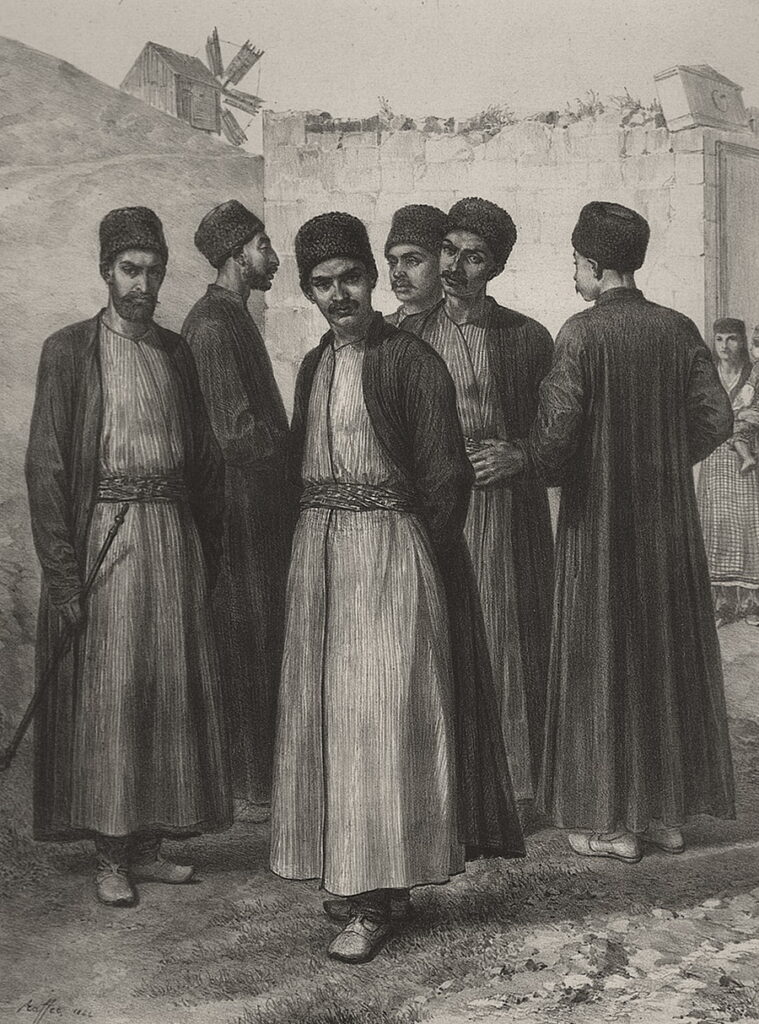
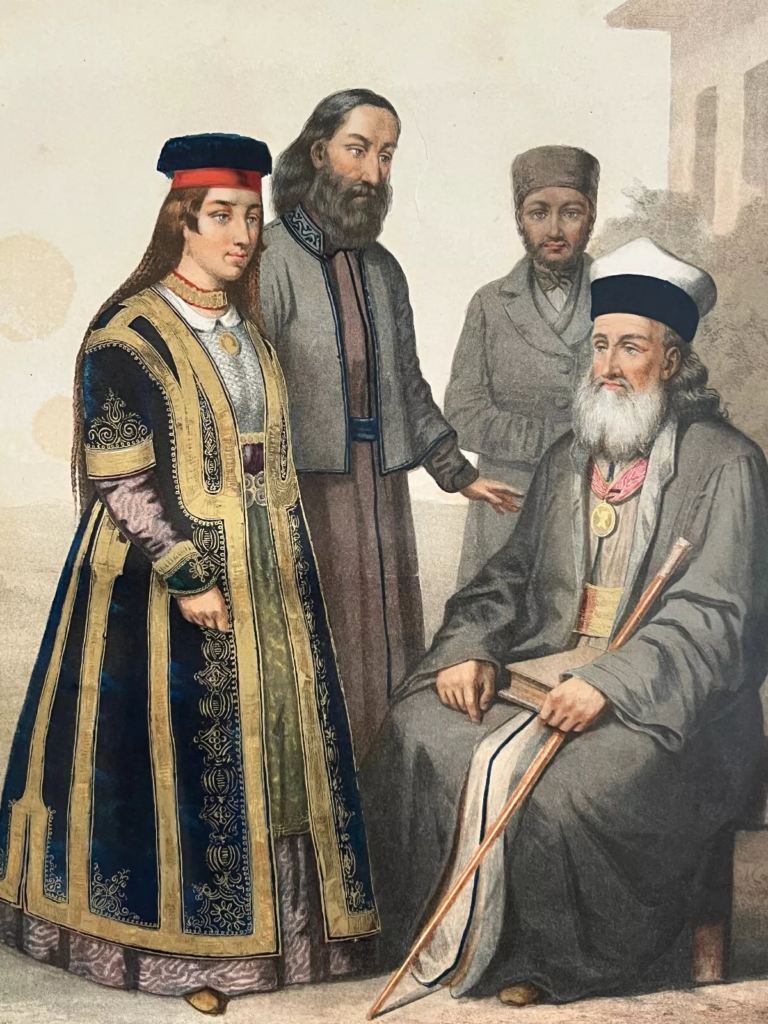
The most famous architectural monument and historical heart of this ethnicity is the Chufut-Kale fortress and its adjacent cemetery near Bakhchysarai. However, the Karaimes also left a significant mark on the history of Mykolaiv. Although they never accounted for more than 1% of the city’s total population, their innate sense of unity prevented them from being assimilated into the predominant Slavic environment.
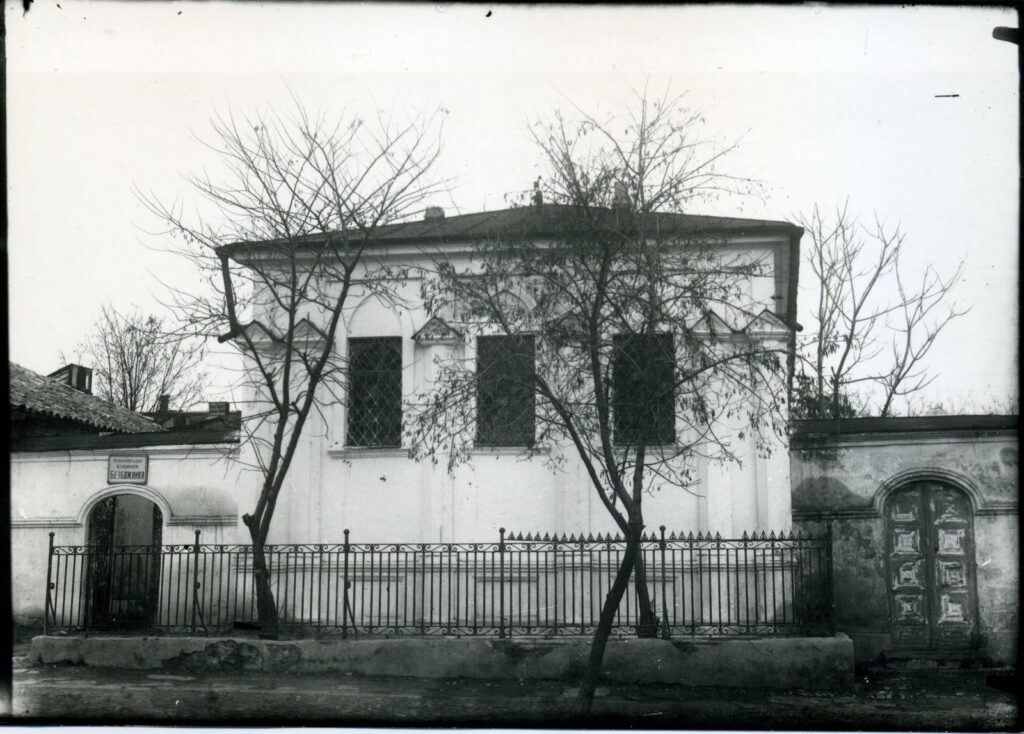
The symbol of Karaime presence and prosperity in Mykolaiv was the Kenesa – a house of prayer built between 1844 and 1847, located at the corner of modern-day Heroiv Ratuvalnykiv and Pavla Skoropadskoho streets. The Kenesa’s architecture reflected Oriental aesthetics: lancet window arches, six symmetrical faceted semi-columns, and ornate metal grilles. It was more than a religious building; it was a community hub and the headquarters of the Mykolaiv Karaime Society. Respected elders of the local religious community, such as M. Cohen, I. Sultansky, S. Irtlach, S. Irtlach-Manhubi, and E. Pampulov, served here. A school for boys and a society to aid Karaime girls were maintained through voluntary donations.
The Karaimes of Mykolaiv were active participants in public life and held positions in civil service. E. Khojash and S. Kazas served as deputies (glasnye) of the Mykolaiv City Duma. I. V. Babajan was a commissioner of the city administration for educational affairs, while I. Shish and E. Pampulov were prominent bank officials.
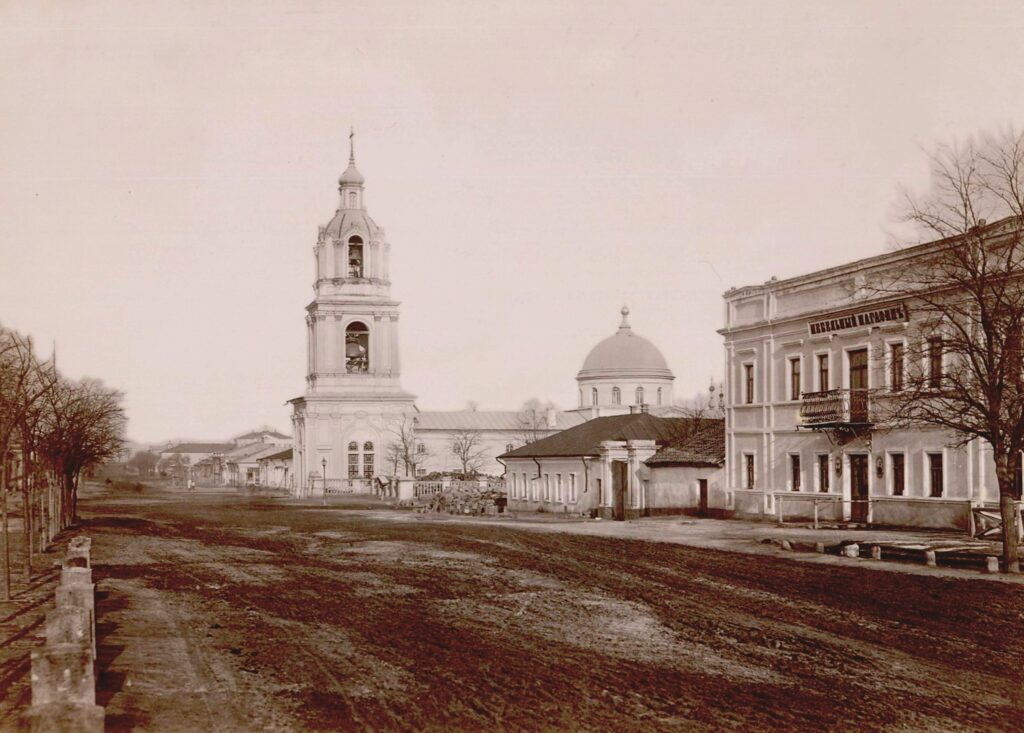
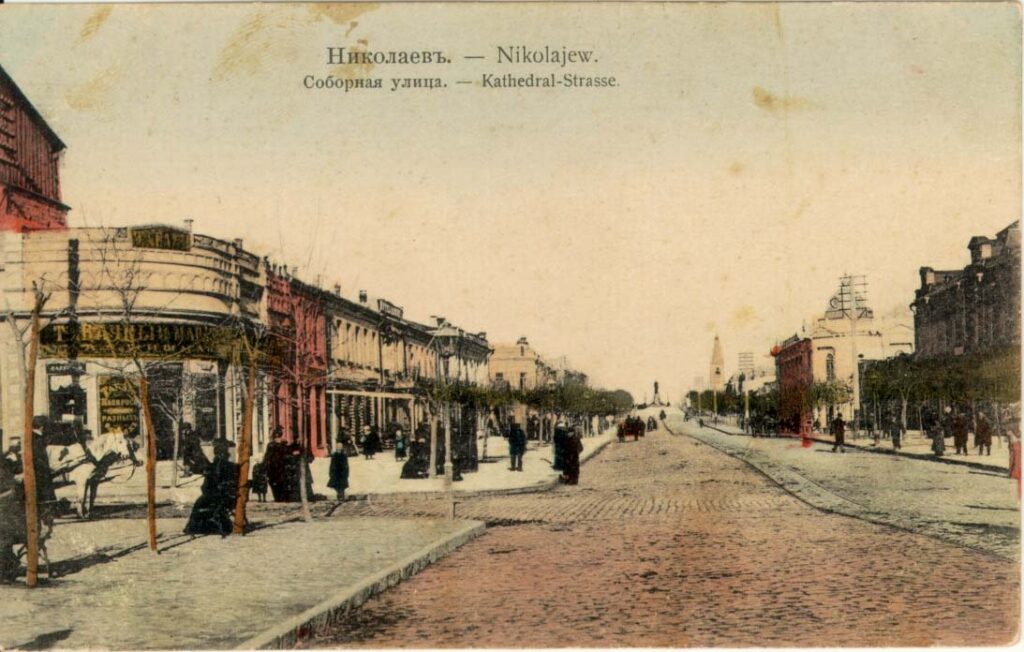
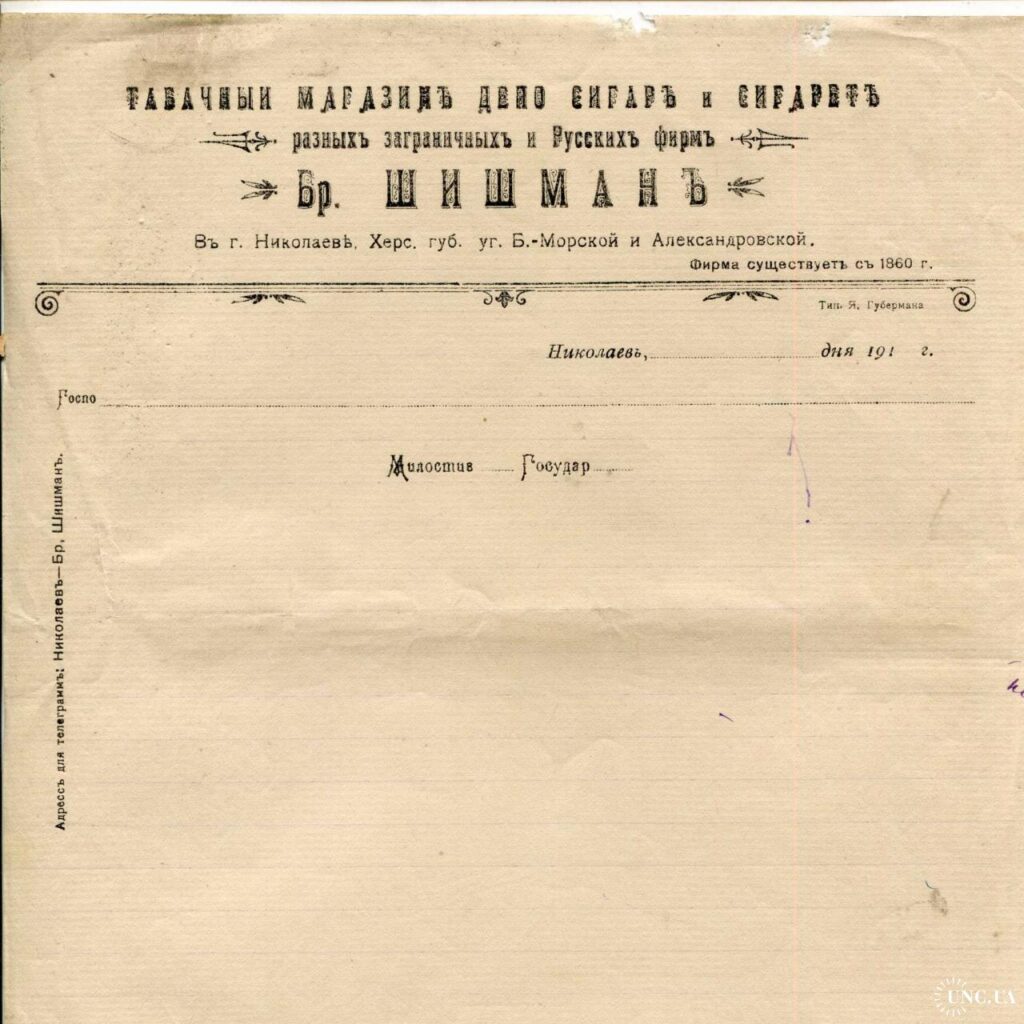
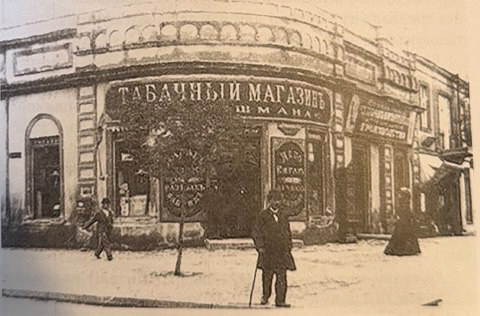
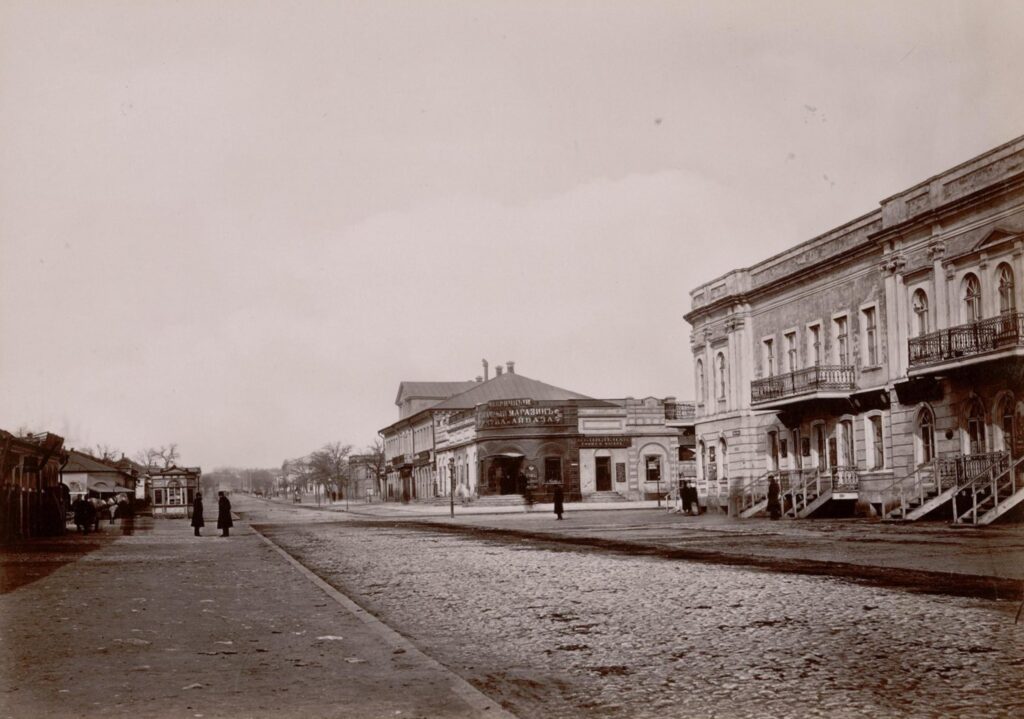
Mykolaiv was home to several well-known Karaime businesses, including the “Rus Wines” trading house, B. Shishman’s tobacco shop, B. Babajan’s shoe store, and S. Babajan’s paper shop. Karaimes were also distinguished in medical practice, including the dentist D. Efetovych and Dr. Kefeli. For his entire life, the scholar, theologian, and calendar expert I. Sapak taught in Mykolaiv. He authored several scientific works, including “A Brief Commentary on Logic” (1869) and the first part of a manual for compiling the Karaime calendar (1871), both published in Odesa.
The Mykolaiv Kenesa served as a center for Karaime culture for over 80 years. Unfortunately, the 20th century was merciless. In the 1930s, the Soviet authorities launched a systematic assault on national cultures. Karaime schools and publications were closed, triggering rapid assimilation. In 1930, the Kenesa was shut down and converted into a “House of the Atheist.” It subsequently housed a cinema, a sports club, a warehouse, and a shop. Today, the building serves as the Palace of Solemn Events. The southern wall has been altered with a door cut through it, though the original entrance was from the courtyard. Inside, near the southern wall, once stood the hekhal – an altar containing the Aron Ha-Kodesh (the Ark), where Torah scrolls were kept. Although the building survives, it has lost its original character: the arched windows were remodeled, and the unique grilles were destroyed. Nevertheless, its walls remain a silent reminder of the former grandeur of the Karaime faith.
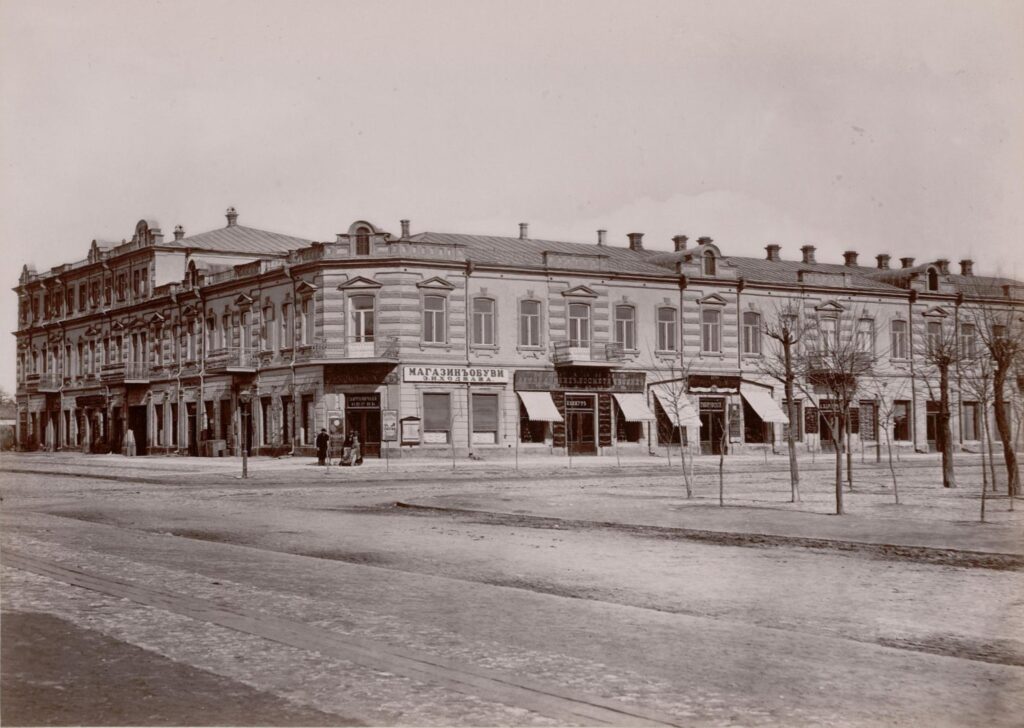
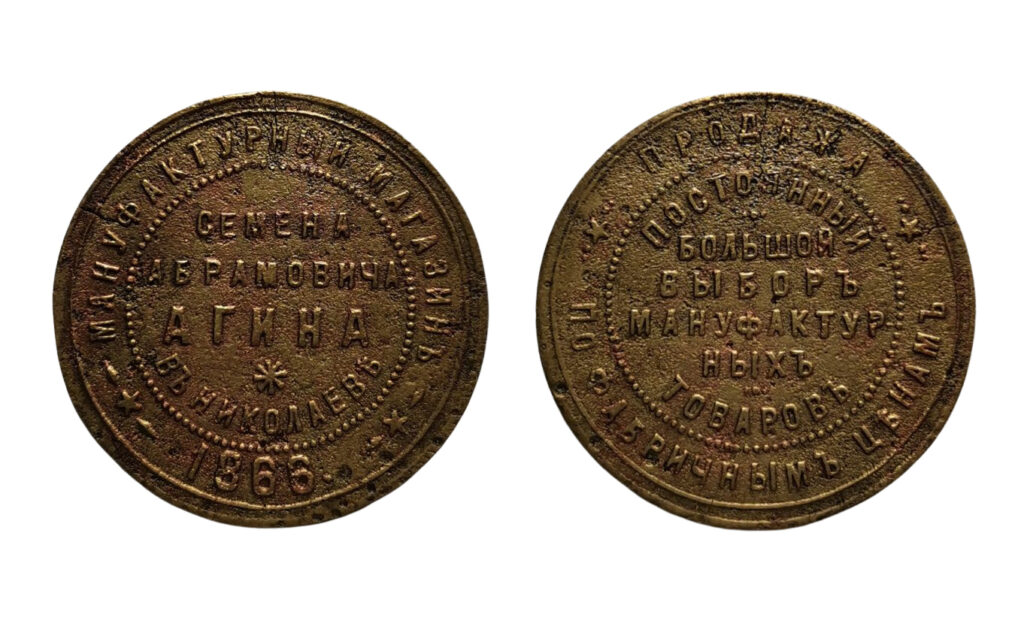
An even more tragic fate befell the Karaime cemetery at the end of modern-day Hliba Babicha Street. It was destroyed over 40 years ago; today, residential buildings and a tram depot stand over the burial sites.
While their numbers dwindled significantly after World War II, the Karaimes were active in the reconstruction of their home city, working in industry, healthcare, education, and culture. Notable names include civil engineers V. Sapak, S. Bashti, and I. Babajan; shipbuilder I. Sikazan; chemical engineer O. Babajan; physicians S. Belikova (Kefeli) and I. Babajan; and educator T. Zborovska (Sultanska).
According to the 1989 census, only 48 Karaimes lived in the Mykolaiv region, most having transitioned to speaking Russian or Ukrainian. Driven by a desire to revive their traditions, the Karaimes of Mykolaiv established the city society “Murat” in 2000, under the leadership of Natalia Sapak and with the support of the All-Ukrainian Association of Crimean Karaimes “Krymkaraylar.” Starting with 20 members, the society has nearly doubled in size. Its primary mission is the revival of national traditions, language, and culture. They actively collect archival documents, photographs, and memoirs. The community studies its language and preserves national recipes, most notably the famous meat pies known as et ayaklak.
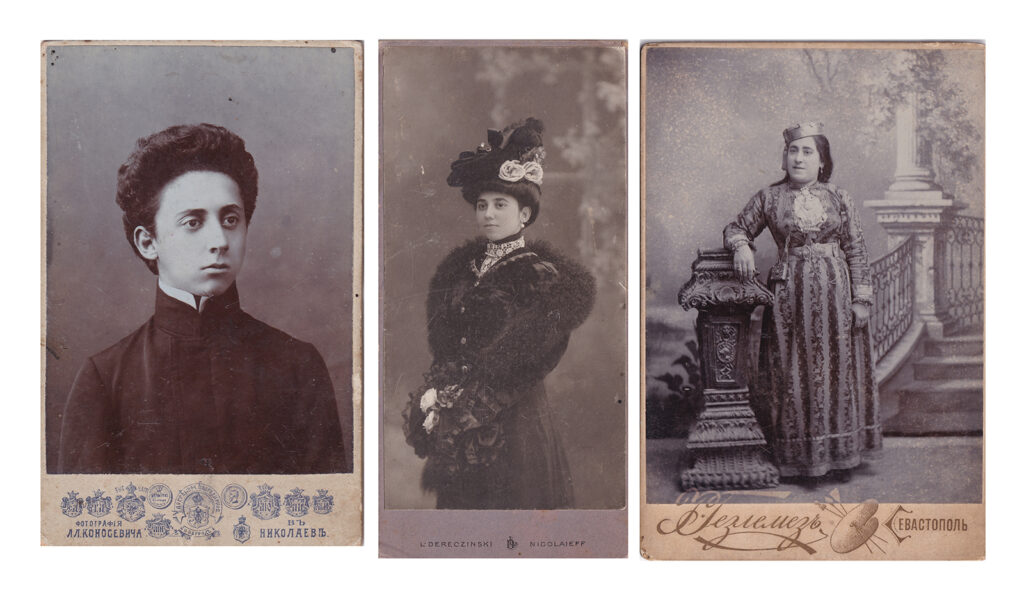
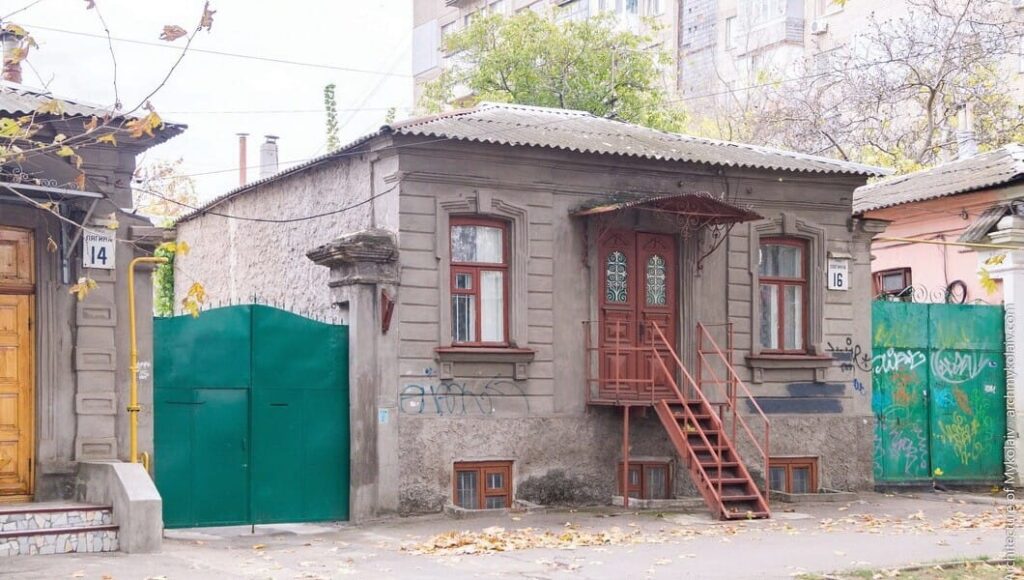
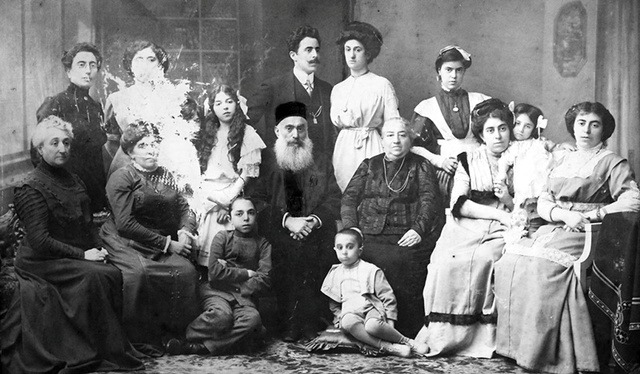
Today, the Karaimes of Mykolaiv continue to work in education, culture, and industry, remaining a vital part of our region’s multi-ethnic mosaic. Their history is a testament to remaining faithful to one’s traditions, even under the most challenging circumstances.
This publication was created as part of the project “What’s Mykolaiv About? The Multi-Ethnic South,” implemented by MY ART Platform in partnership with Mykolaiv Development Agency and Mykolaiv Crisis Media Center, with support from Heinrich-Böll-Stiftung Kyiv – Ukraine.
As a reminder, a video about the history of Mykolaiv’s Jewish community was recently filmed.