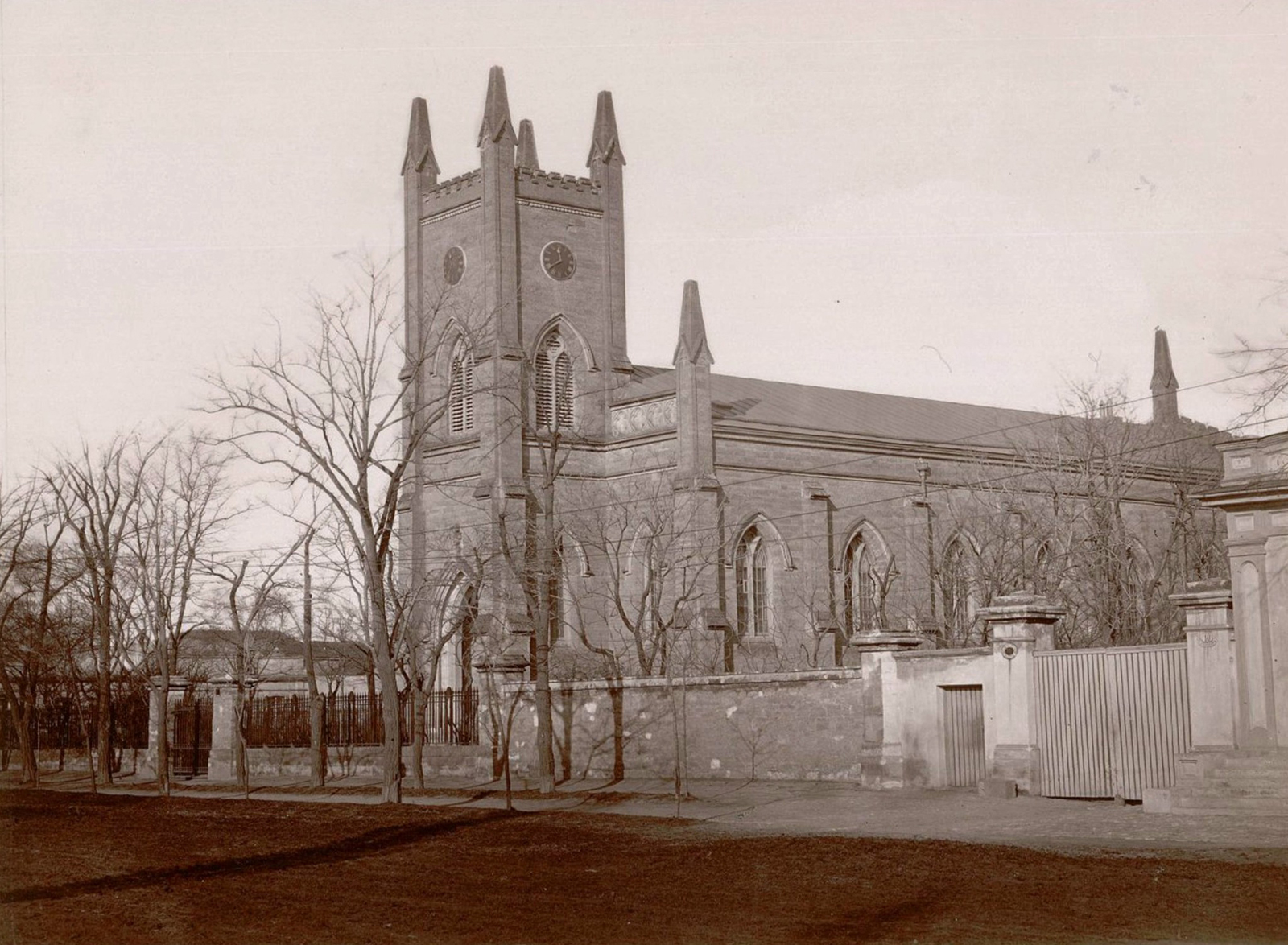
The Mykolaiv region is not merely a land of steppes and estuaries, but a complex historical space in which layers of memory overlap and intersect. We are accustomed to the names Shyrokolanivka, Berezanka, Veselne, Stavky, Vasylivka. They seem natural, “our own,” as though they have always existed. Yet a century and a half ago these same places were called Landau, Alexanderfeld, Sulz, Waterloo, Worms. Behind each of these names lies a distinct судьба and the history of German colonists. For a long time this page of the past remained a “blank spot”: it was silenced or deliberately distorted. Only from the late 1980s onward did scholars gain the opportunity to study the heritage of the German colonies of Southern Ukraine impartially.
The emergence of German colonies was not accidental. In the late eighteenth and early nineteenth centuries, the southern lands required economic development, while in the German principalities of Europe social and economic difficulties were intensifying: wars, tax pressure, shortage of arable land, and demographic growth. For many families, resettlement became a chance to obtain their own land allotment, religious freedoms, and stability. Thus a convergence of interests emerged: the state encouraged industrious farmers to settle the steppe territories, while the settlers sought an opportunity to begin a new life.
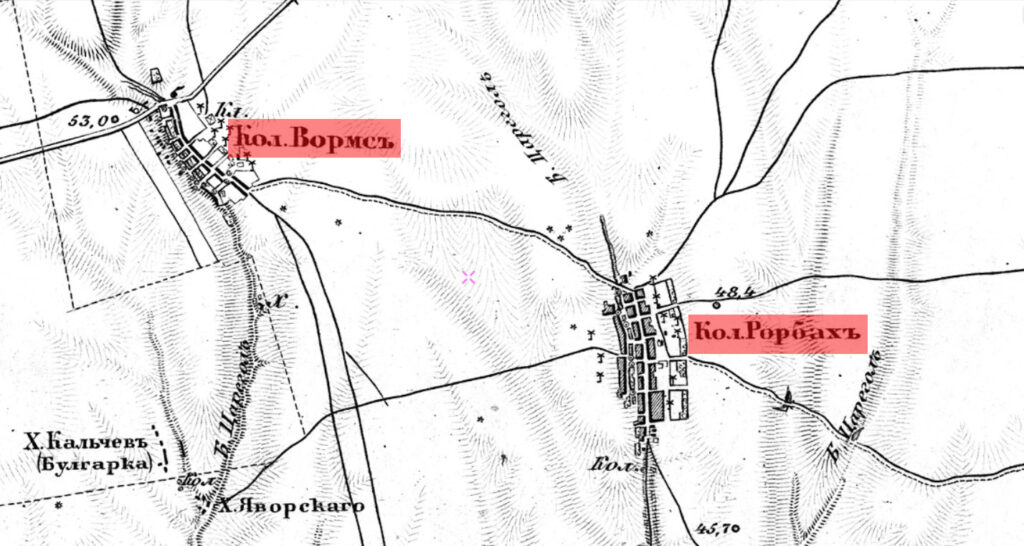
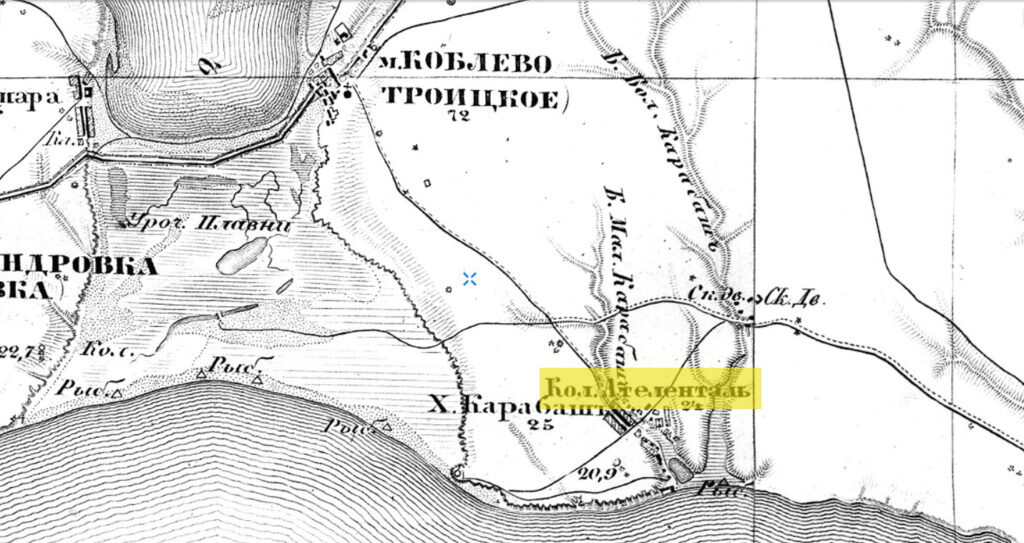
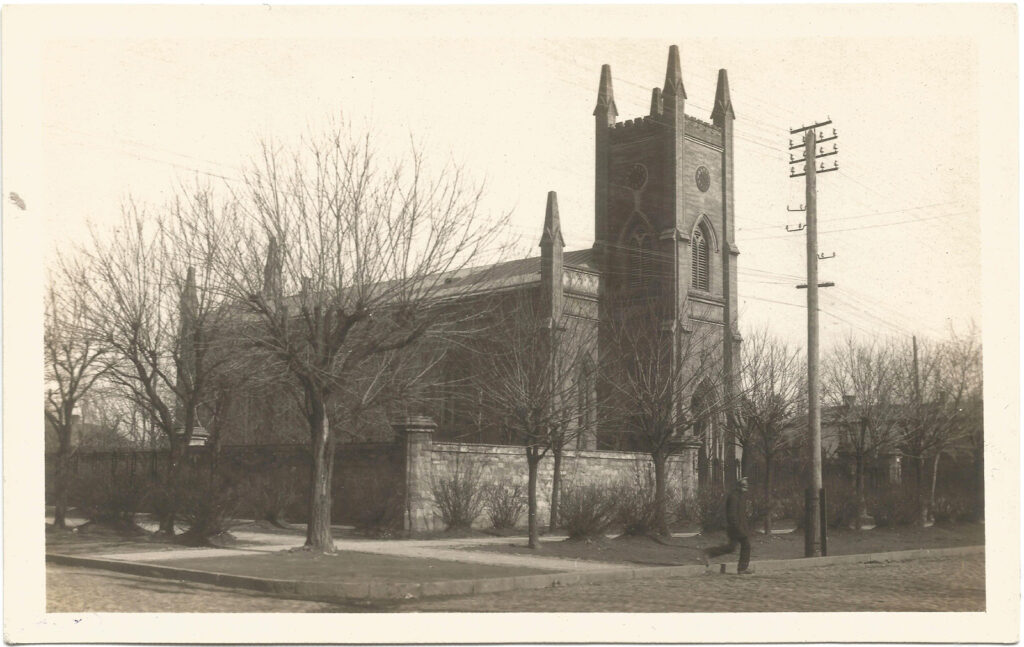
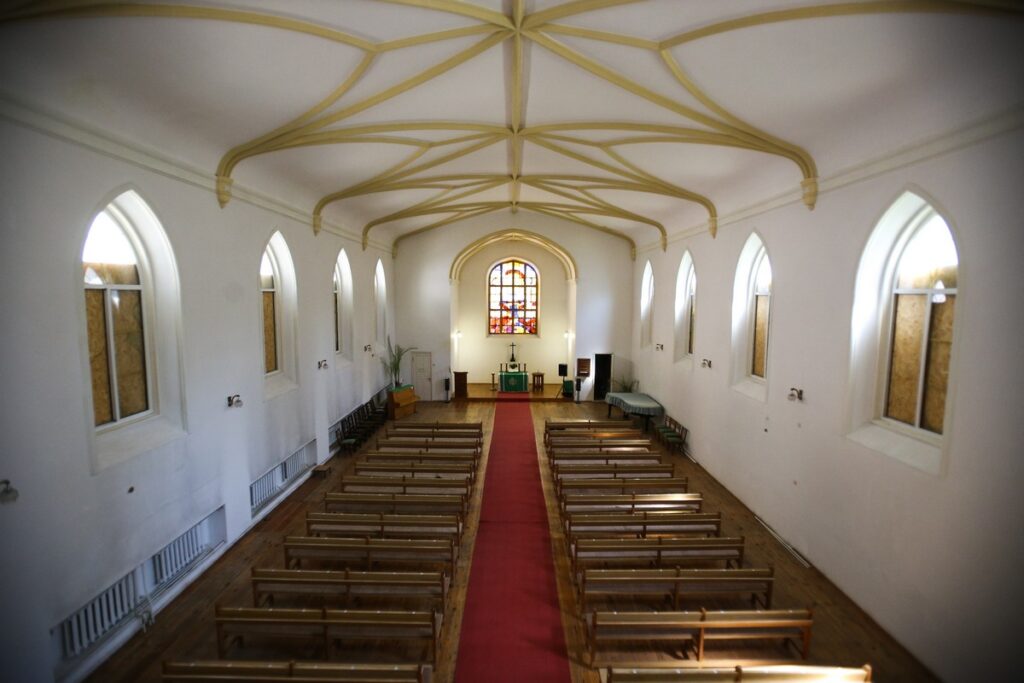
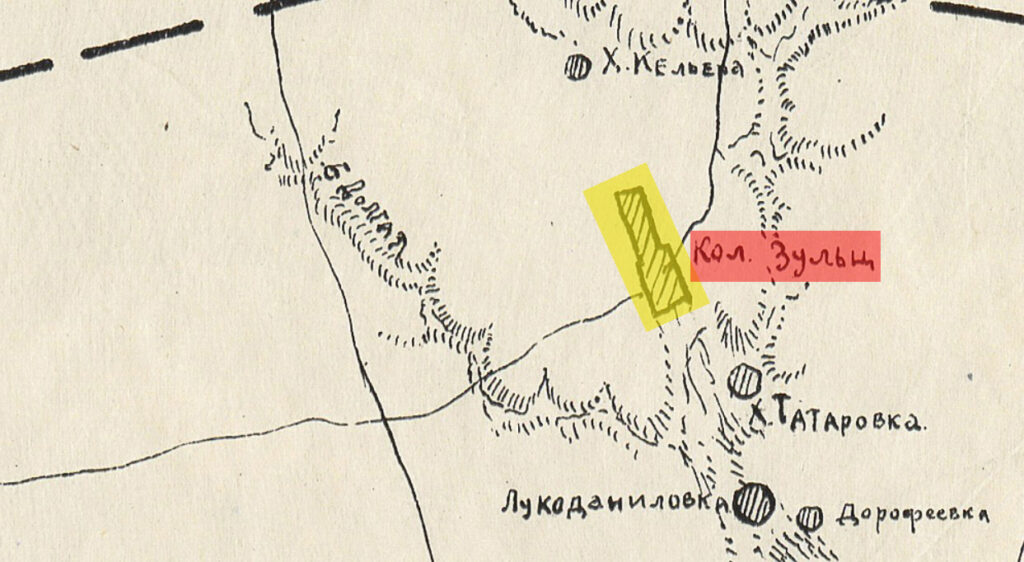
At the beginning of the nineteenth century, on the lands of the then Kherson Governorate, a network of the so-called “old” German colonies arose. In the southwestern part of what is now the Mykolaiv region appeared Worms, Sulz, Johannestal, Karlsruhe, Katharinental, Landau, Rohrbach, Speyer — within Kherson Uyezd — as well as Rastadt and München in Ananyiv Uyezd. In the Voznesensk area there were settlements known as Waterloo, Worms, Speyer, Landau, Rastadt. On the territories of the present-day Arbuzynka, Bratske, Bashtanka, Kazanka, and Nova Odesa districts emerged Neu Danzig, Steingut, Blumenfeld, Wilhelmstal, Halbstadt, Schönfeld, and dozens of khutirs bearing the surnames of their first owners — Kepling, Schmaltz, Bischler, Wagner, Schlosser, Schneider.
These names were not accidental. Landau, Speyer, Worms, Karlsruhe, Rastadt recalled the cities of Rhineland-Palatinate and Baden-Württemberg from which the settlers originated. Blumenfeld meant “flower field,” Grünwald — “green forest,” Halbstadt — “forest town,” Katharinental — “Catherine’s valley.” Through toponymy, the colonists symbolically transferred fragments of their lost homeland onto the Ukrainian steppe. Today, passing through Shyrokolanivka or Veselne, it is difficult to imagine that they were once Landau and Sulz — villages where German was the language of worship and school instruction.
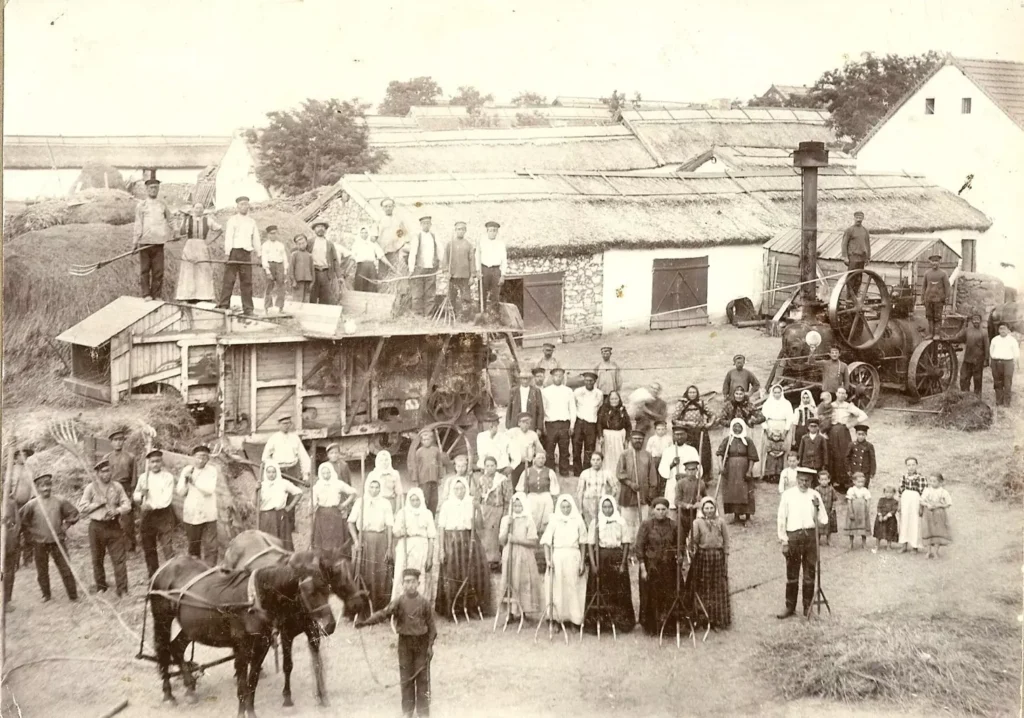
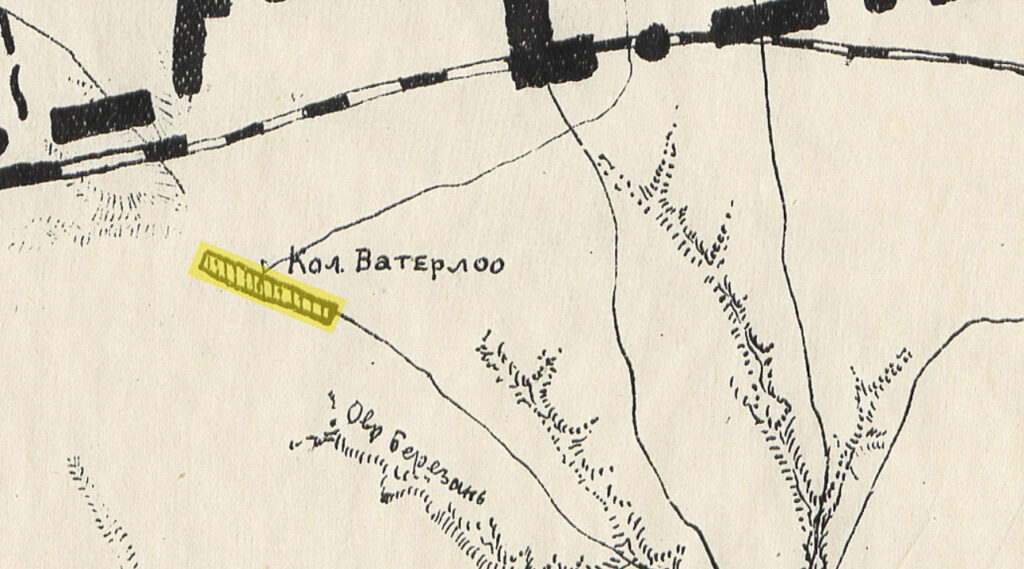
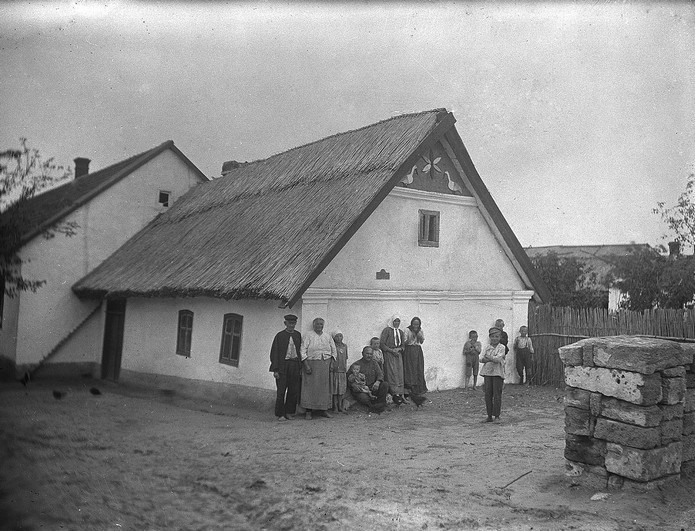
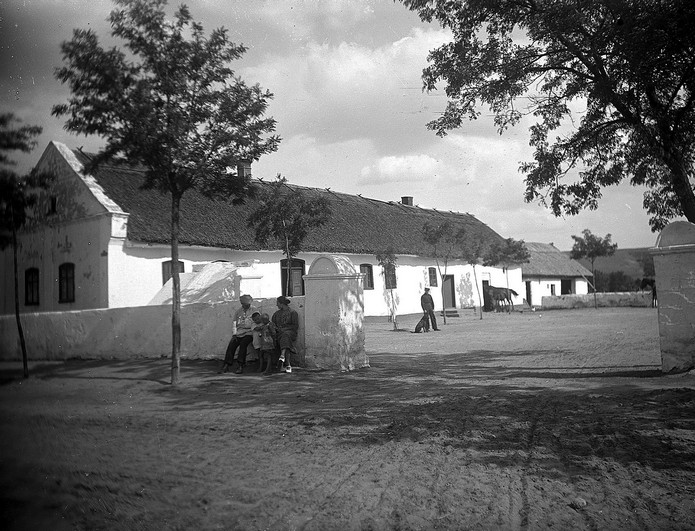
The number of settlers increased after the wave of emigration in 1816–1818, when inhabitants of Southern Germany were able to travel along the Danube route — from Ulm to Izmail, and from there to the Black Sea steppes. By 1842, new allotments were granted to the “surplus” population of existing colonies, leading, among others, to the emergence of Waterloo and Neu Danzig. According to data from 1889, in Kherson Governorate there were over 54,000 German households and approximately 123,000 persons of German nationality. The 1897 census recorded that 62,658 Germans lived in Odesa Uyezd, 10,177 in Kherson Uyezd, 20,290 in Ananyiv Uyezd, and 5,445 in Yelysavethrad Uyezd. These figures demonstrate the scale of the phenomenon: it was not a matter of isolated settlements, but of an entire network of economically active communities. The path to this scale, however, was not easy.
The first years were extremely difficult. An unfamiliar climate, lack of housing, shortages of food and medical care resulted in high mortality. Gradually, however, the colonies became models of orderliness. Buildings were constructed predominantly of stone — a material readily available in the region. Houses were spacious, with large windows, and flower beds were planted in front of them. Streets were laid out straight, following a clear geometric plan. The center of each settlement was the kirche or Catholic church; nearby stood the school and public buildings. Agriculture became the foundation of the colonies’ economic system. Colonists introduced rational methods of soil cultivation, used agricultural machinery, and developed viticulture, horticulture, and animal husbandry.
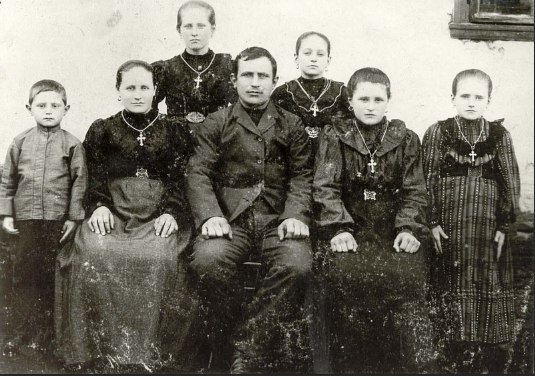
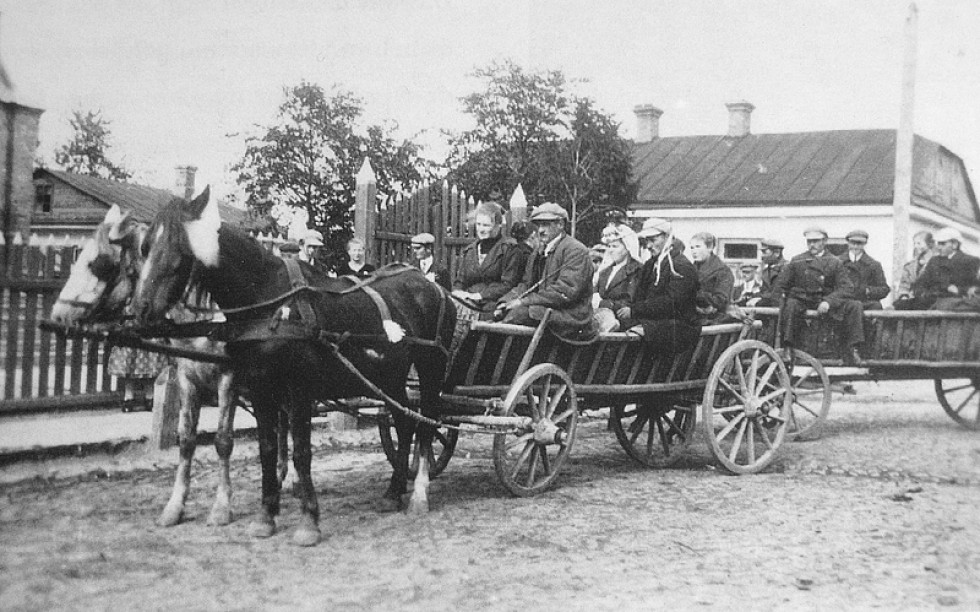
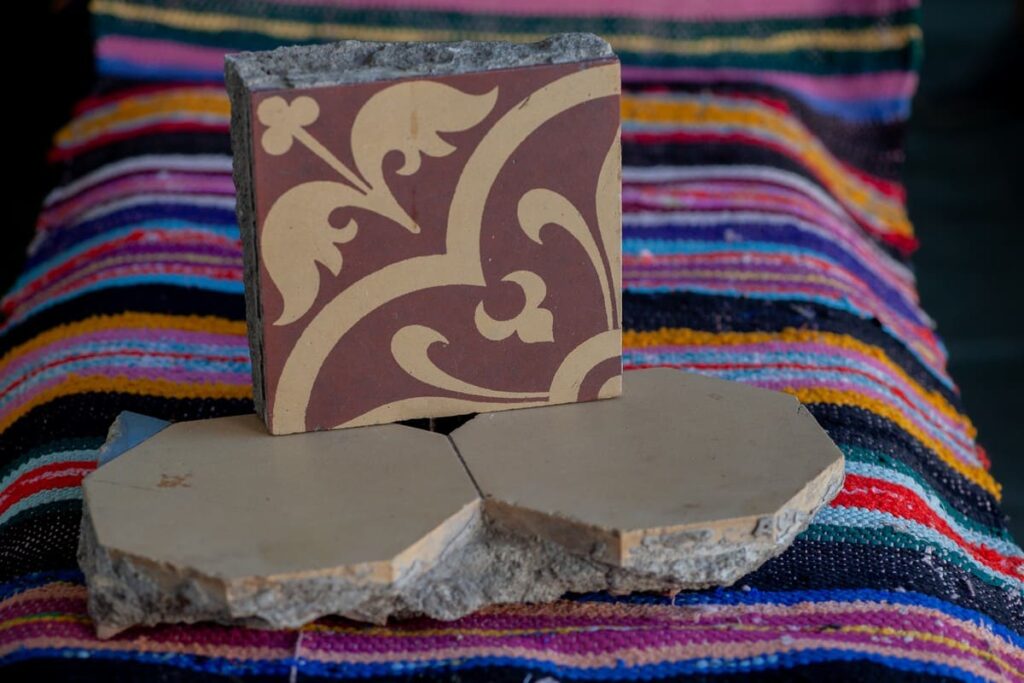

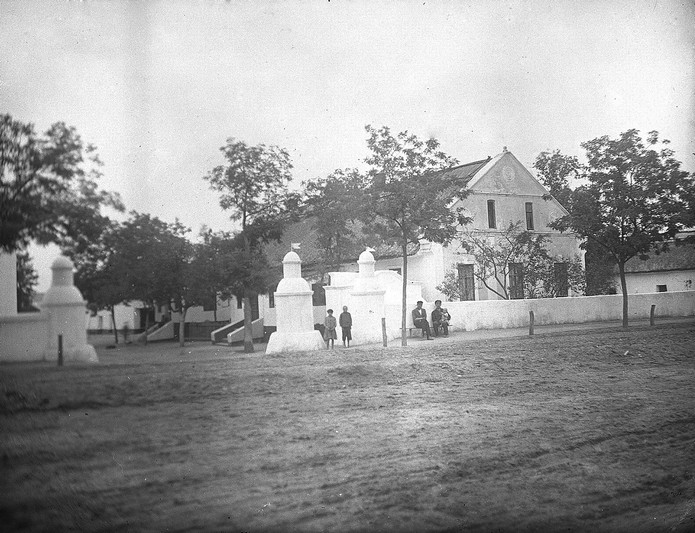
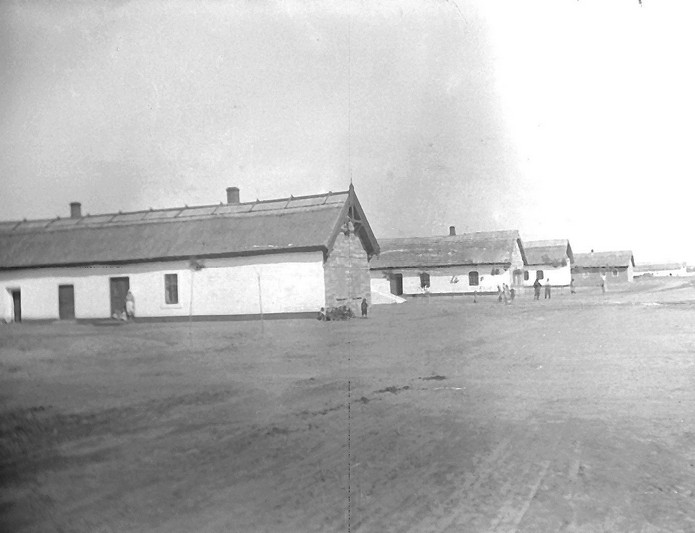
In three uyezds there operated eight orphan savings funds, eight mutual credit societies, and ten mutual fire insurance associations. The cooperative movement developed actively. In Landau, as early as 1848, an infirmary was opened, and in 1908 a zemstvo hospital was established. There were shelters for orphans and the elderly, as well as a special hospital for the mentally ill. This testifies to a high level of self-organization and social responsibility within the communities.
Education occupied a special place. By the end of the nineteenth century, nearly every colony had a parish school. In Katharinental, founded in 1817, an educational institution was opened in its fourth year of existence. Literacy levels, particularly among women, were noticeably higher than in surrounding villages. Clergy not only conducted services but also oversaw the educational process and organized charitable work. In some colonies, such as Landau, alongside Catholic and Lutheran communities there were also Orthodox churches built with the participation of the colonists themselves — an example of interconfessional cooperation rare for that time.
The twentieth century brought severe trials. During the First World War, despite the loyalty of most colonists — they transported goods for the army, collected provisions, cared for the wounded, and thousands served in the military — decrees were adopted on the compulsory alienation of land and the prohibition of teaching in German. In 1914–1915 a wave of renamings began: Alexanderfeld became Suvorovske, Blumenfeld — Tsvietkove, Worms — Verne, Waterloo — Borodino. In the early 1920s historical names were partially restored, but only briefly.
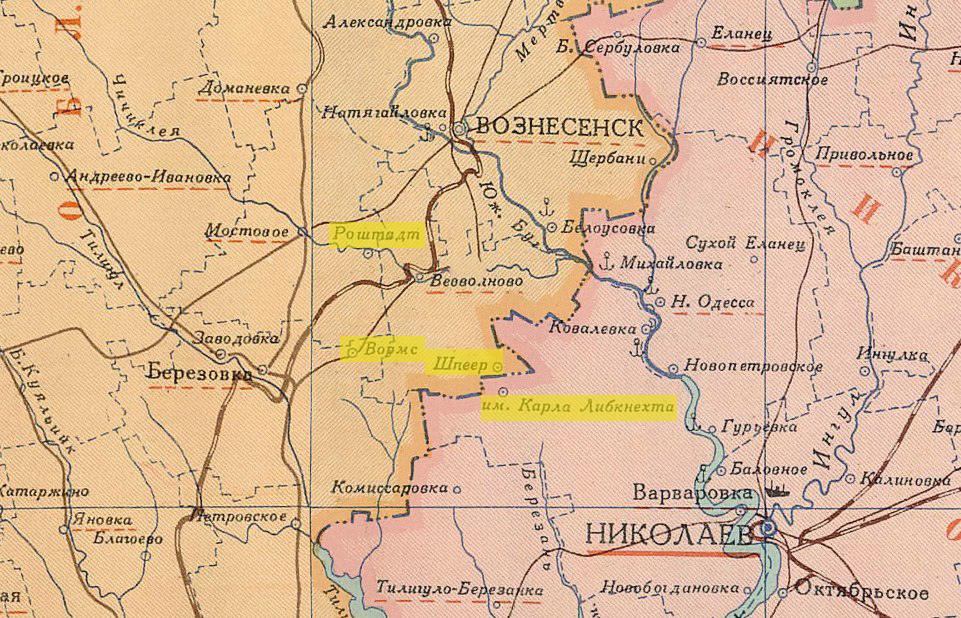
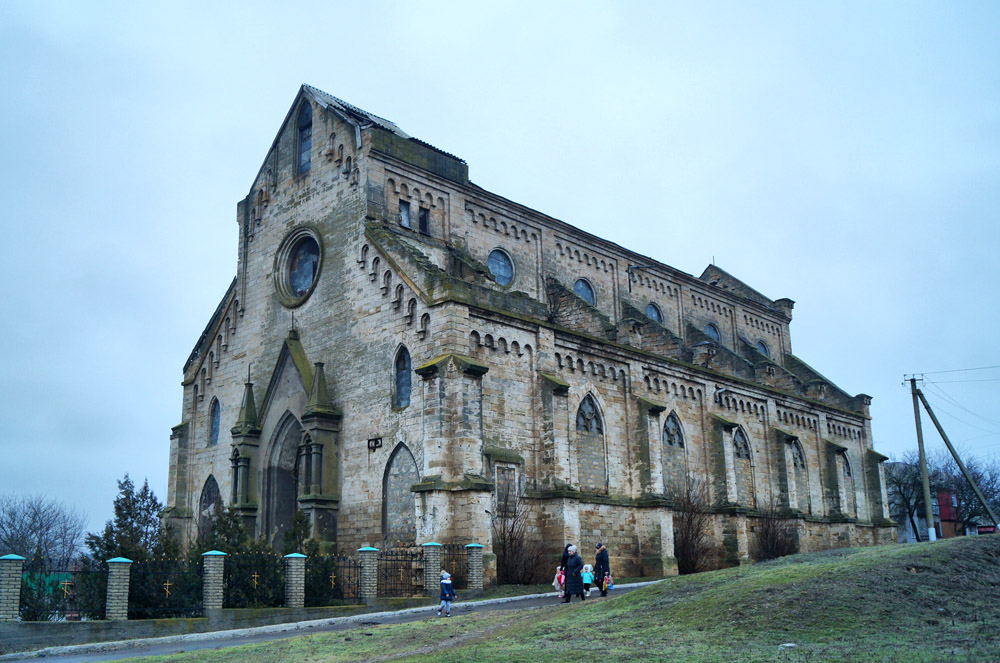
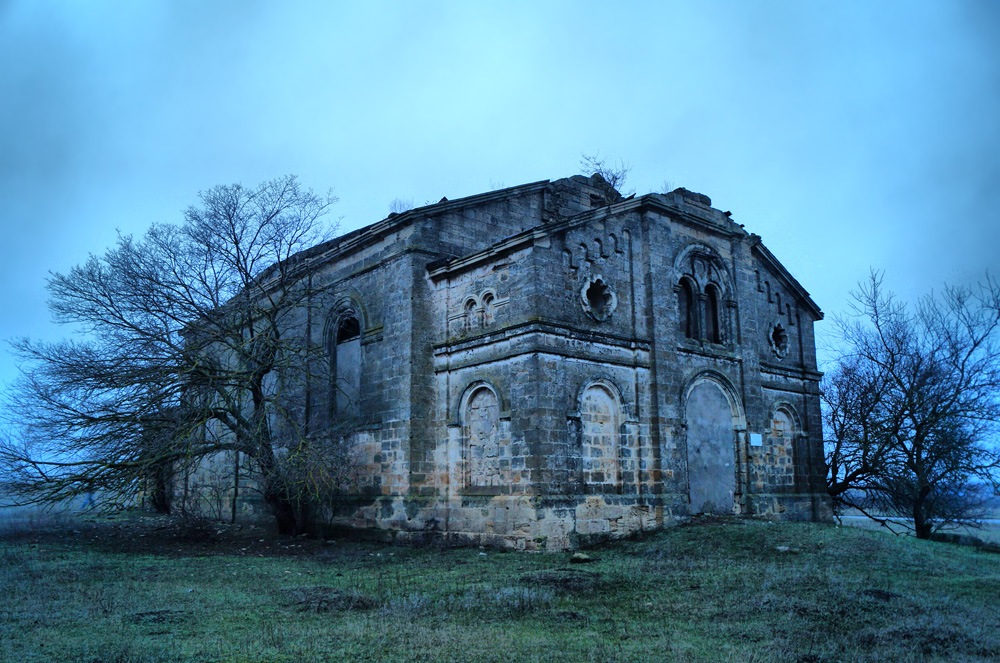
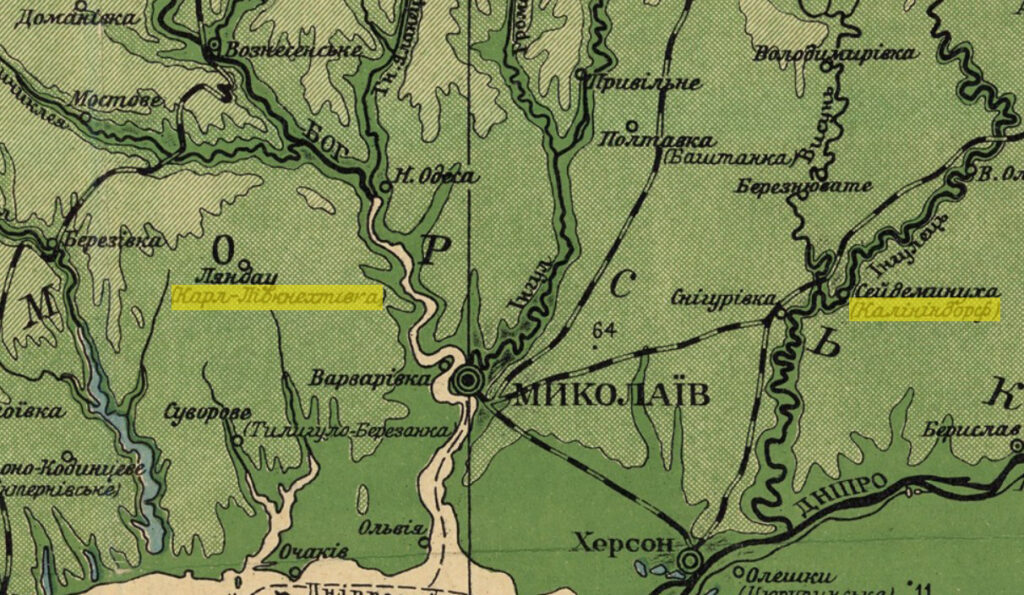
In 1924–1925, within the framework of administrative reforms, national German districts were created, including Landau Raion (Karl-Liebknecht Raion) within Mykolaiv Okrug. This period represented attempts to combine the economic potential of the colonies with the policy of korenizatsiya. However, the famine of 1921–1923, followed by the Holodomor of 1932–1933, devastated the villages. In 1937–1938 repressions against national minorities assumed a mass character. In April 1939 all national administrative-territorial units were abolished. In August–September 1941 a mass deportation of the German population to Siberia and Kazakhstan began. The former colonies lost their communities.
After 1946–1947 the renamings became final: Alexanderfeld received the name Tylihul-Berezanka (later Berezanka), Blumenfeld — Krasnopillia, Waterloo — Stavky, Worms — Vasylivka, Landau — Shyrokolanivka, Katharinental — Katerynivka, Speyer — Oleksiivka, Sulz — Veselne.
German names disappeared from the map of the Mykolaiv region, yet the street layouts, stone houses, cemeteries, and the foundations of kirchen remained — silent witnesses of the past. In the late 1980s and early 1990s a significant part of the descendants of the colonists emigrated to Germany. Whereas in 1926, 95% of Germans in the Mykolaiv region considered German their native language, by 1989 this figure had declined to 24%.
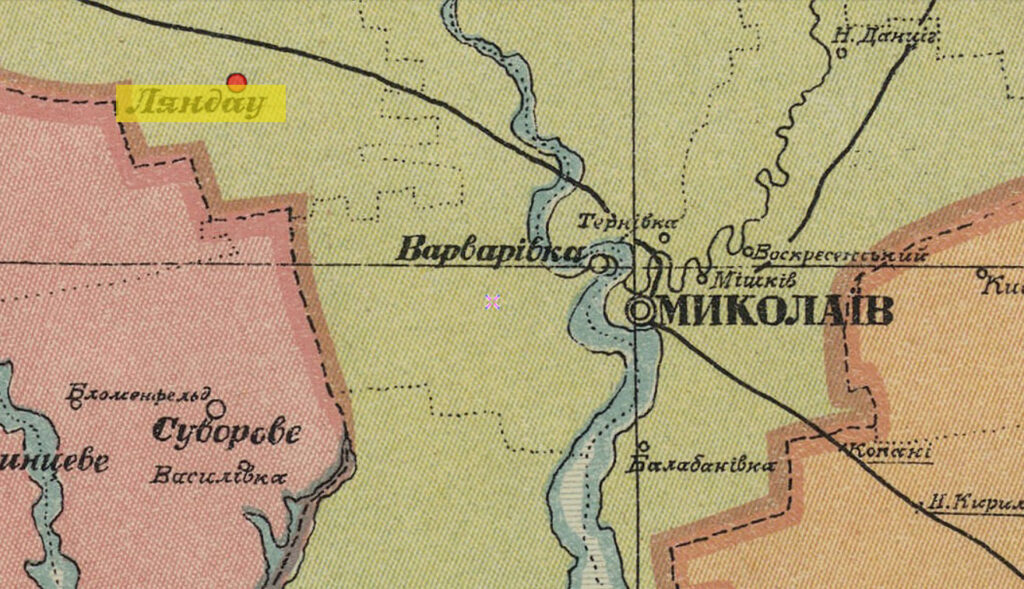
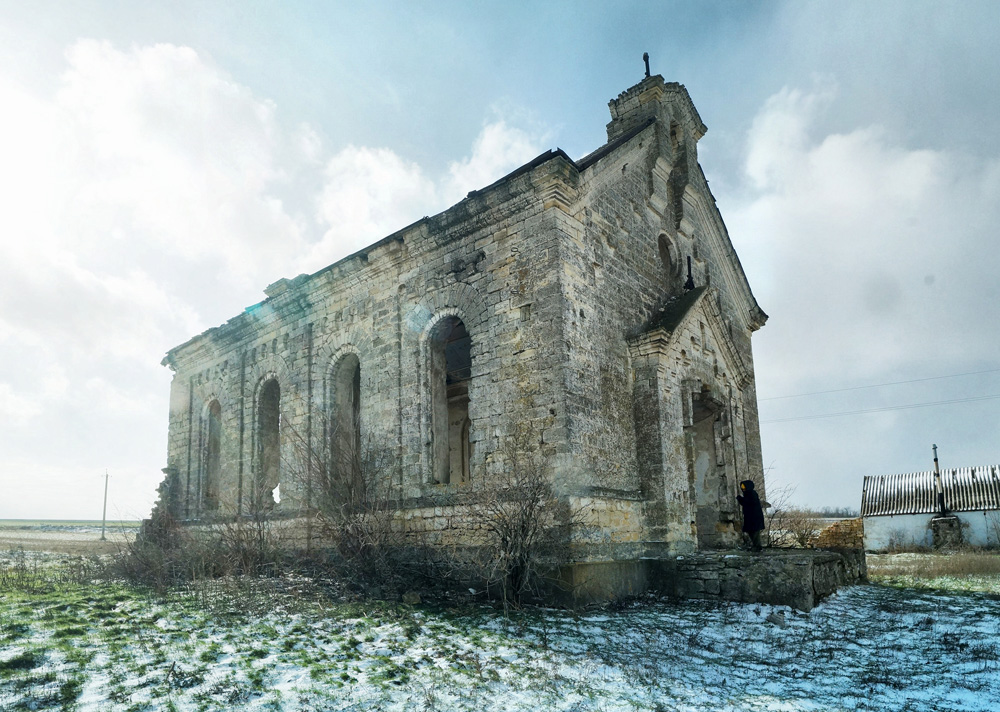
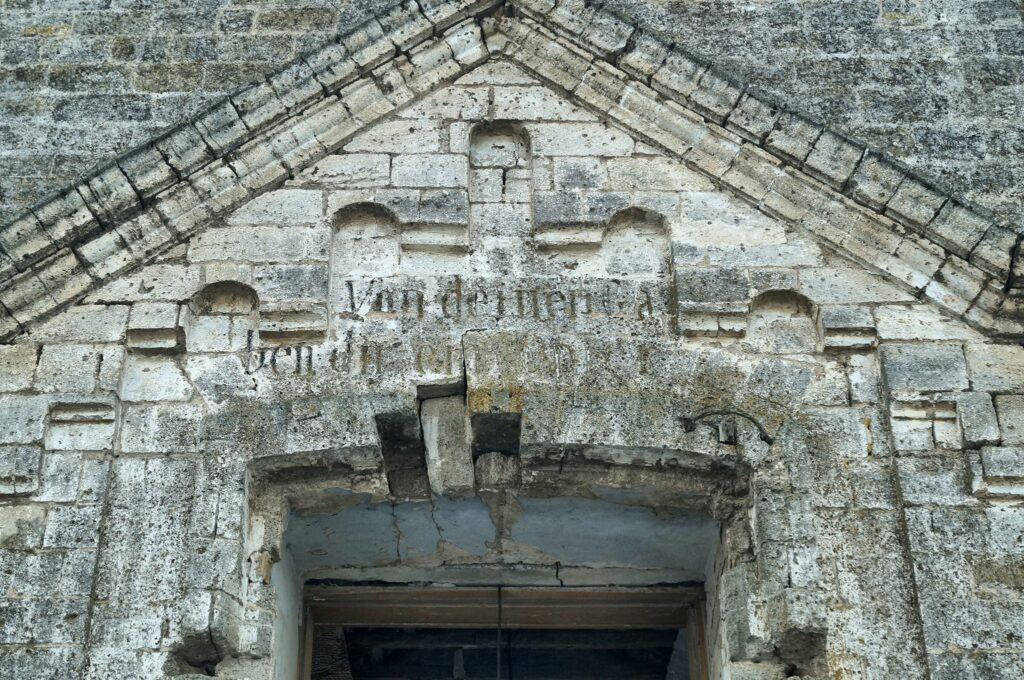
And yet the history of the German colonists in the Mykolaiv region is not solely a history of loss. It is the story of the formation of a distinct cultural and economic space, of creating orderly settlements from scratch, of developing education and medicine, and of shaping a cooperative culture. Within the names Shyrokolanivka, Berezanka, or Stavky lies the memory of Landau, Alexanderfeld, and Waterloo. Recognizing this, we look differently at familiar names — for behind them stand not only administrative changes, but the destinies of thousands of families. And precisely therein lies the depth and value of this chapter in the history of the Mykolaiv region.
This publication was created as part of the project “What’s Mykolaiv About? The Multi-Ethnic South,” implemented by MY ART Platform in partnership with Mykolaiv Development Agency and Mykolaiv Crisis Media Center, with support from Heinrich-Böll-Stiftung Kyiv – Ukraine.
As a reminder, a video about the history of Mykolaiv’s Jewish community was recently filmed.